

As a supplier of car carrier trailers, I often receive inquiries from customers about whether it's possible to modify these trailers to increase their capacity. This is a topic that combines both practicality and technical complexity, and in this blog, I'll delve into the various aspects of this question.
The Basics of Car Carrier Trailers
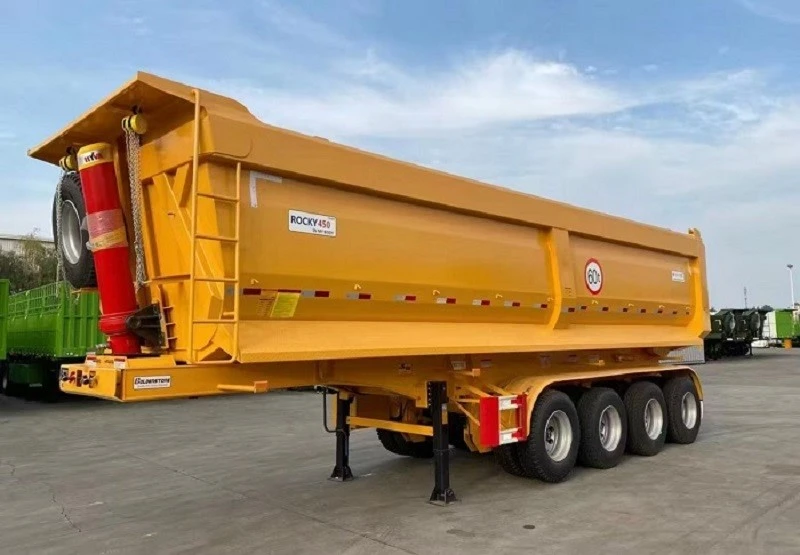
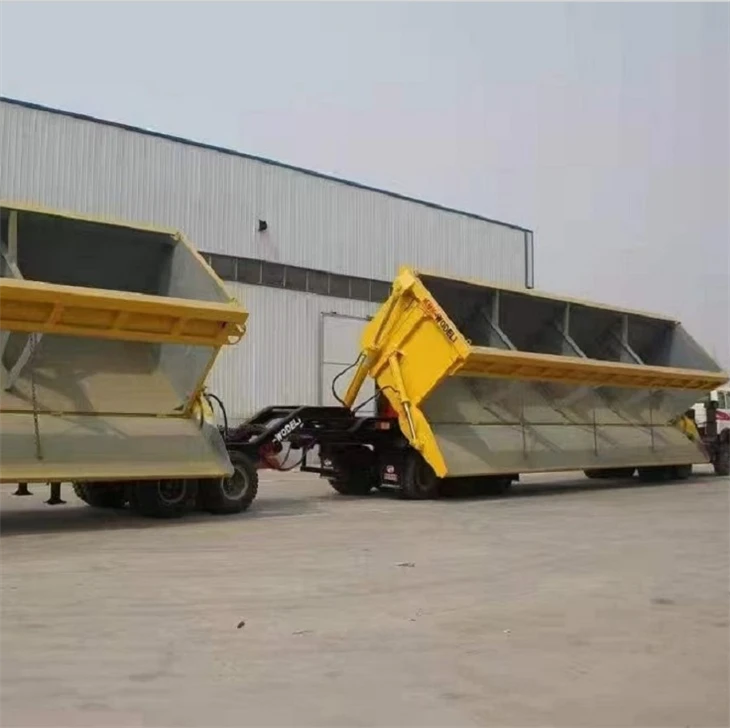
Before discussing modification, it's essential to understand the basic structure and design of car carrier trailers. There are different types of car carrier trailers, such as the Semi Car Carrier Trailer, Car Carrier Cage Trailer, and the 13m Overturned Dump Semi - trailer. Each type has its own unique features and limitations in terms of capacity.
Semi car carrier trailers are widely used for transporting multiple vehicles over long distances. They typically have a modular design that allows for the loading of cars in multiple tiers. The design of these trailers is based on a balance between weight distribution, stability, and the ability to secure the vehicles properly during transit.
Car carrier cage trailers, on the other hand, are more suitable for shorter - distance transportation and are often used for moving cars in a local area. They provide a more open - air environment for the vehicles and are designed to be easy to load and unload.
The 13m overturned dump semi - trailer is a specialized type that may not be as commonly associated with car transportation as the other two, but it can also be adapted in some cases.
Factors Affecting Capacity
The capacity of a car carrier trailer is determined by several factors. Firstly, the physical dimensions of the trailer play a crucial role. The length, width, and height of the trailer limit the number and size of vehicles that can be loaded. For example, a longer trailer can potentially accommodate more cars, but it also needs to comply with road regulations regarding maximum vehicle lengths.
Secondly, the weight - bearing capacity of the trailer is a significant factor. Each trailer is designed to carry a certain amount of weight, and exceeding this limit can lead to safety issues such as tire blowouts, brake failures, and problems with the trailer's structural integrity. The weight of the cars being transported, along with any additional equipment or accessories, must be within the specified weight limit.
Another factor is the design of the loading system. Some trailers have advanced loading systems that allow for more efficient use of space. For example, trailers with adjustable ramps and platforms can be configured to fit different vehicle sizes and shapes, increasing the overall capacity.
Possibilities of Modification
Modifying a car carrier trailer to increase its capacity is indeed possible, but it requires careful consideration and planning.
Physical Modifications
One way to increase capacity is by extending the length of the trailer. This can be achieved by adding an additional section to the existing trailer structure. However, this modification must be done in accordance with local road regulations. In many regions, there are strict laws regarding the maximum length of commercial vehicles, and exceeding these limits can result in fines and legal issues.
Increasing the height of the trailer to add more tiers for vehicle storage is another option. This can significantly increase the number of cars that can be transported. But again, this must be balanced with stability concerns. Higher trailers are more prone to tipping over, especially when making turns or in windy conditions. Therefore, additional support structures and reinforcement may be required to ensure the safety of the modified trailer.
Loading System Modifications
Improving the loading system can also enhance capacity. For example, installing more adjustable platforms and ramps can allow for better use of space. These platforms can be adjusted to different heights and angles, making it possible to fit more cars in a given area. Additionally, automated loading systems can speed up the loading and unloading process, increasing the overall efficiency of the trailer.
Weight - Bearing Modifications
To increase the weight - bearing capacity, the trailer's frame and suspension system may need to be strengthened. This can involve using higher - strength materials for the frame, such as high - grade steel, and upgrading the suspension components to handle the additional weight. However, it's important to note that any modification to the weight - bearing capacity must be accompanied by proper testing and certification to ensure safety.
Challenges and Risks of Modification
While modification offers the potential for increased capacity, it also comes with several challenges and risks.
Regulatory Compliance
As mentioned earlier, any modification to a car carrier trailer must comply with local road regulations. These regulations are in place to ensure the safety of all road users. Failure to comply can result in legal consequences, including fines, vehicle impoundment, and even the suspension of the operator's license.
Safety Risks
Modifying a trailer can introduce new safety risks. For example, changes in the trailer's weight distribution or stability can increase the likelihood of accidents. A poorly modified trailer may be more difficult to control, especially in adverse weather conditions or on uneven roads. Additionally, if the loading system is not properly installed or maintained, it can lead to vehicles becoming loose during transit, posing a danger to other road users.
Cost
Modifying a car carrier trailer can be expensive. The cost of materials, labor, and any necessary testing and certification can add up quickly. In some cases, the cost of modification may outweigh the benefits of increased capacity, especially if the trailer is only used for occasional transportation or in a limited geographical area.
Conclusion
In conclusion, it is possible to modify a car carrier trailer to increase its capacity, but it is a complex process that requires careful consideration of various factors. Physical modifications, loading system improvements, and weight - bearing enhancements can all contribute to an increase in capacity, but they must be carried out in compliance with regulations and with a focus on safety.
If you are considering modifying your car carrier trailer or are in the market for a new trailer with specific capacity requirements, I encourage you to reach out to us. As a professional car carrier trailer supplier, we have the expertise and experience to provide you with the best solutions. Whether it's advice on modification or information about our range of trailers, we are here to assist you. Contact us today to start a discussion about your needs and how we can help you optimize your car transportation operations.
References
- Federal Highway Administration. (20XX). Commercial Vehicle Size and Weight Regulations.
- Society of Automotive Engineers. (20XX). Standards for Trailer Design and Safety.
- International Road Transport Union. (20XX). Guidelines for Safe Transportation of Vehicles.


