

Refrigerated Trailers
-
 5 ton 10 ton refrigerated truckLiangshan Xinruida Special Vehicle Machinery Manufacturing Co., Ltd. is a designated production unit for automobiles and trailers approved by the Ministry of Industry and Information Technology ofAdd to Inquiry
 -
 4 Axle Refrigerated Semi TrailerThe refrigerated semi trailers produced by Xinruida adopts a fully sealed box panel structure with balanced structural strength. The carriage has excellent insulation performance. Widely used for theAdd to Inquiry


Why Choose Us
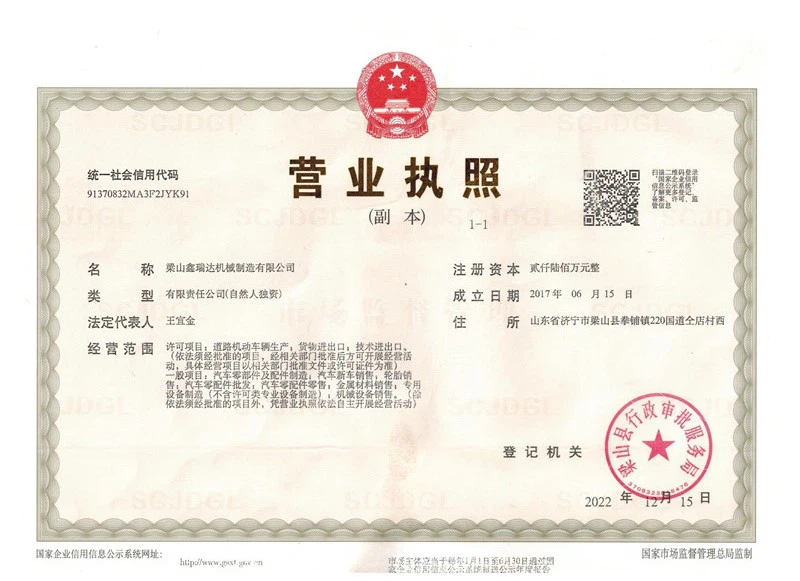
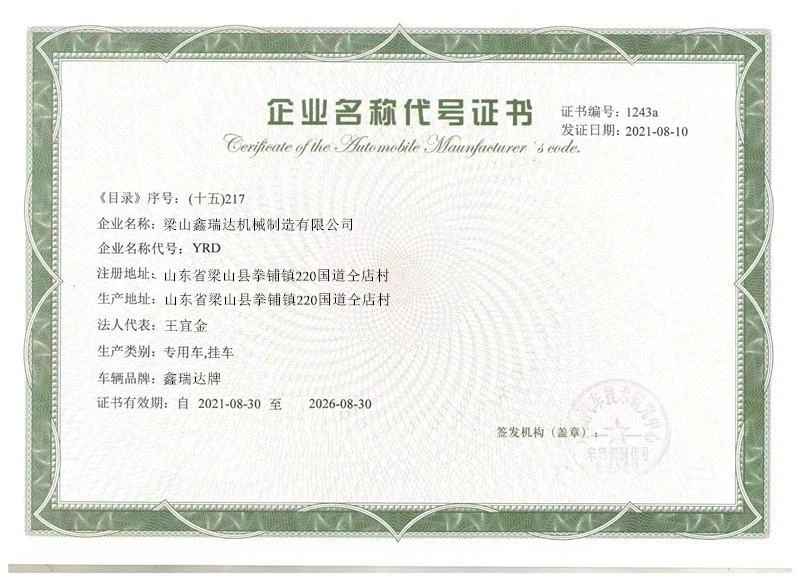
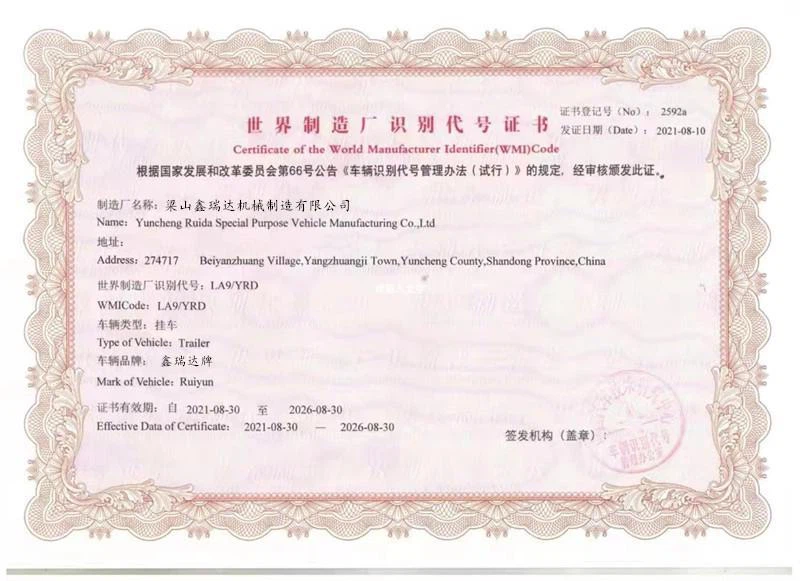
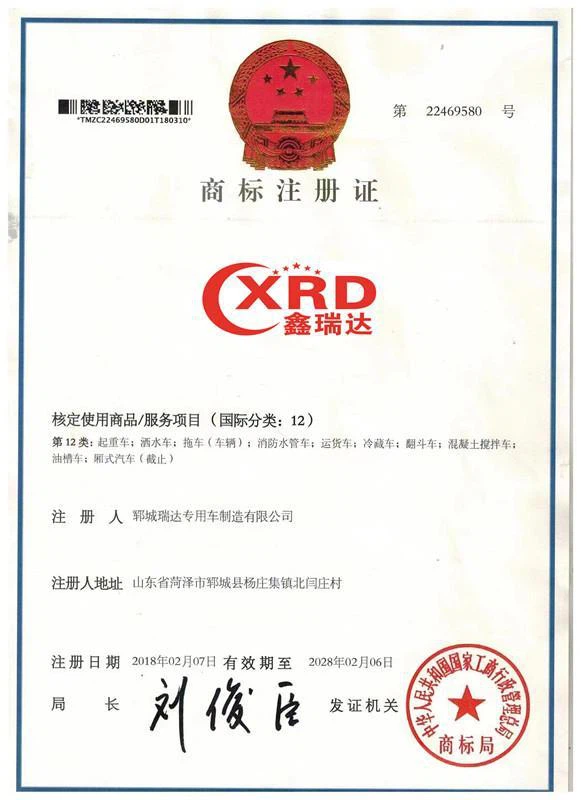
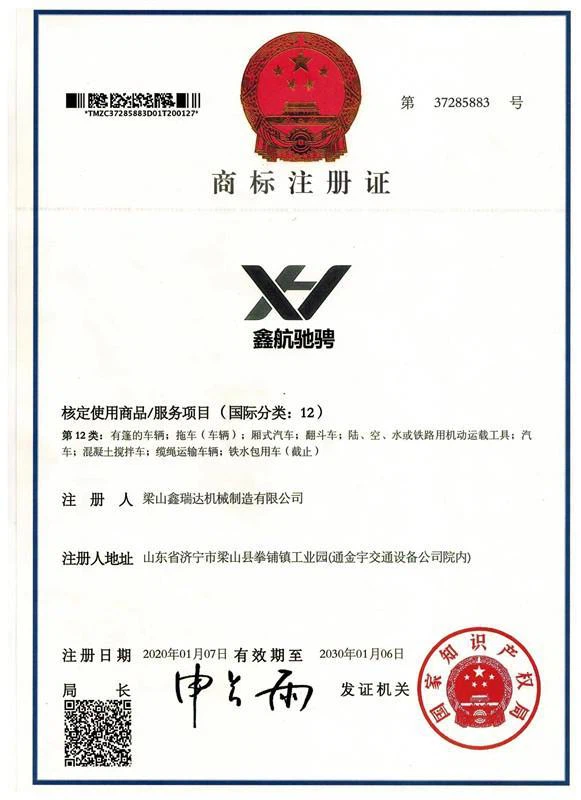
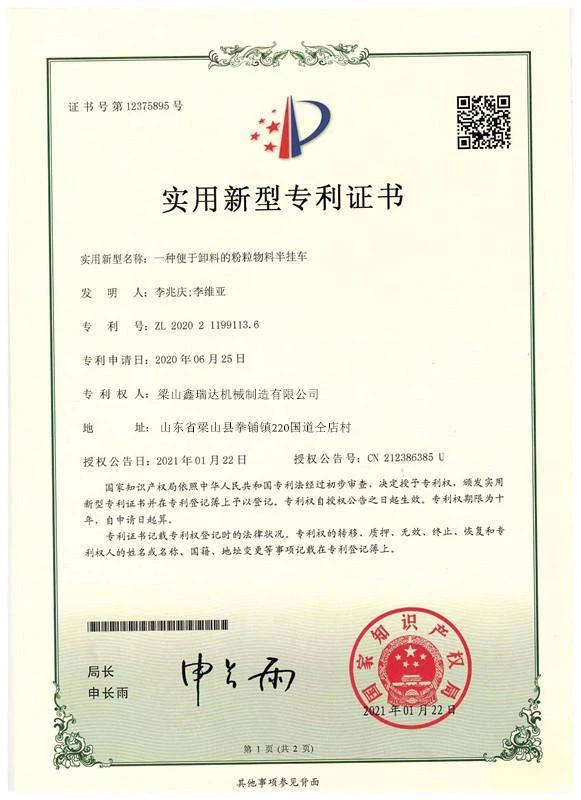
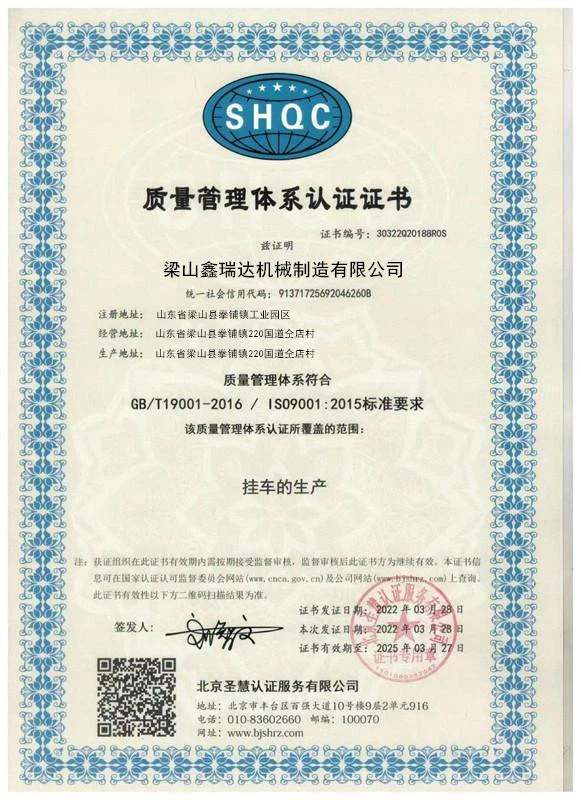
Our certificates
Liangshan Xinruida Special Vehicle Machinery Manufacturing Co., Ltd products have been listed in the "Announcement" management and have passed the mandatory "3C" certification and 2000 quality management system certification of the China Quality Certification Center.
Production market
Our semi trailers exported to more than 100 countries and regions in Europe, Central Asia, Russia, Africa, South America, and Southeast Asia, They have been well received by customers. Welcome to consult and cooperate.
Quality control
The company has introduced advanced, precise, and cutting-edge equipment, adopted processing techniques, and selected high-quality raw materials and components for production and manufacturing.
Our service
We promise that the company will be responsible for its products and its services will satisfy customers.
What is Refrigerated Trailers
Reefer trailers, or refrigerated trailers, are insulated trailers with built-in refrigeration units. They're designed for cold chain transport, delivering perishable cargo at safe and consistent temperatures. This includes fruits, vegetables, dairy products, meats, chemicals, and flowers. Reefers are equipped with a closed refrigeration system designed to remove heat from a trailer in order to maintain the temperature of a product during transportation. They're not designed to actually cool a product.
Benefits of Refrigerated Trailers
Temperature Control
A refrigerated trailer allows you to keep better control of the environment, more specifically the temperature. These portable trailers allow you to adjust the temperature to suit the contents you're transporting, within the range of –65 to 40 degrees celsius (yes, despite their name these trailers can even keep your contents warm). Because of this, your refrigerated trailer can be used for many purposes, perfect if you sell a wide range of products with different temperature requirements.
Food Preservation
A key benefit of investing in a refrigerated trailer is food preservation. If you're needing to transport perishables, these trailers can preserve the quality of your food until the end of your journey. This feature is perfect for those who need regular refrigerated transportation, for example, those who sell food at a market or a festival. As mentioned before, refrigerated trailers don't just keep your perishables cold, they can also keep them hot. So whatever you're selling, these trailers are the perfect portable storage facility. It's also worth noting that poor preservation could end in ruined goods, which may cost your business to replace.
Flexibility
The flexibility refrigerated trailers give you is unbeatable. They can be placed anywhere with a nearby power source, perfect if you frequent markets or festivals selling perishable foods. Refrigerated trailers also give you plenty of flexibility when travelling and don't limit your journey, allowing you to transport the trailer contents across the country hassle-free and offer fresh produce wherever you end up. Refrigerated trailers allow you full control over what you're transporting, at what temperature, where you're transporting them to and much more. Instead of stressing about food transportation, you can sit back and relax with these cleverly designed reefer trailers.
Cost-Effective
If you're planning to put your refrigerated trailer into frequent use, purchasing one is definitely the most cost-effective solution. Whilst you can hire these trailers, constant hire charges can soon add up and may even amount to more than the purchase price.Not only this, but reefer trailers keep costs down when transporting perishable goods or selling them. Rather than ruining the perishable products and having to throw them out due to poor refrigeration, essentially costing your business, you can keep them at the perfect temperature wherever you are.
Types of Refrigerated Trailers
Standard refrigerated bodies are based on aluminum panels, polyester-glass foil, often called laminate, and the insulator is a rigid polyurethane foam or polystyrene. Standard dimensions are internal width 245 cm, internal height 265 cm, internal length 1340 cm. The thickness of the walls in standard refrigerated semi-trailers is 65 mm or 85 mm in the case of reinforced walls. Such a body can be used for most goods in a wide range of temperatures, from -25c to +25c.
Body with the so-called double floor is mainly used to transport light, delicate products with low weight tolerance, which means that they cannot be restacked or stacked high. Thanks to the system of movable, lifted crossbeams attached to the body walls, it is possible to organize an additional cargo floor for storing goods during transport. This enables the simultaneous loading of up to 66 euro pallets with a height not exceeding 130 cm. The main goods transported on this type of semi-trailers are sweets, food products and cosmetics.
A semi-trailer equipped with a special, movable partition wall attached to the ceiling of the body interior, thanks to which it can simultaneously transport goods that require different temperatures. It has two independent refrigeration units with a wide range of temperatures, thanks to which it is possible to transport both frozen products (-25c / -1c) and goods at positive temperatures (+1c / +25c). The bulkhead wall provides very good insulation, thanks to which two extreme temperatures do not affect the loads transported separately. The weakness of this type of body is the lower than the standard loading space, which can accommodate goods with a height of about 240 cm, as well as the higher curb weight of the semi-trailer, which means that the maximum weight of the loaded goods is lower than in the case of a standard refrigerator.
Flowers and potted plants are transported on special flower carts, the most popular of which are the so-called danish trolleys (cc) or ecc trolleys. Flower semi-trailers are characterized by a wider loading space of 250 cm, thanks to which they are able to accommodate more flower trolleys than a standard refrigerator. Wider space is obtained at the expense of narrower side walls (45mm), which results in lower thermal insulation, which is why it is not recommended to transport goods requiring a transport temperature lower than 0c on this type of body.
Application of Refrigerated Trailers
Events and Festivals
At large public gatherings such as music festivals, food festivals, and outdoor markets, refrigerated trailers are indispensable for storing large quantities of food and beverages at safe temperatures. They provide event organisers with the flexibility to store perishable items on-site, ensuring fresh and safe consumption throughout the event.
Pharmaceutical Transport
The pharmaceutical industry relies heavily on refrigerated trailers to transport medicines, vaccines, and other temperature-sensitive products. These trailers are equipped with precise temperature controls to meet strict regulatory standards, ensuring that vital medications remain effective and safe for use upon delivery.
Catering and Mobile Food Services
Mobile food businesses, including catering companies, use refrigerated trailers to transport and serve food at various locations. These trailers ensure that all food items remain at safe temperatures, reducing the risk of foodborne illnesses and enhancing the overall quality of the food served.
Private Functions
For private functions like weddings, anniversaries, and family reunions, refrigerated trailers offer a practical solution for catering services. They allow for the advanced preparation of meals and keep floral arrangements fresh, adding a layer of sophistication and professionalism to the hospitality offered at these gatherings.
Business Operations During Peak Periods
Businesses such as butchers, florists, and restaurateurs often face increased demand during peak periods like Christmas, Easter, and Valentine's Day. Refrigerated trailers provide additional storage space to manage surplus stock efficiently, ensuring products remain in optimal condition and are available to meet consumer demands without compromising quality.
Components of Refrigerated Trailers


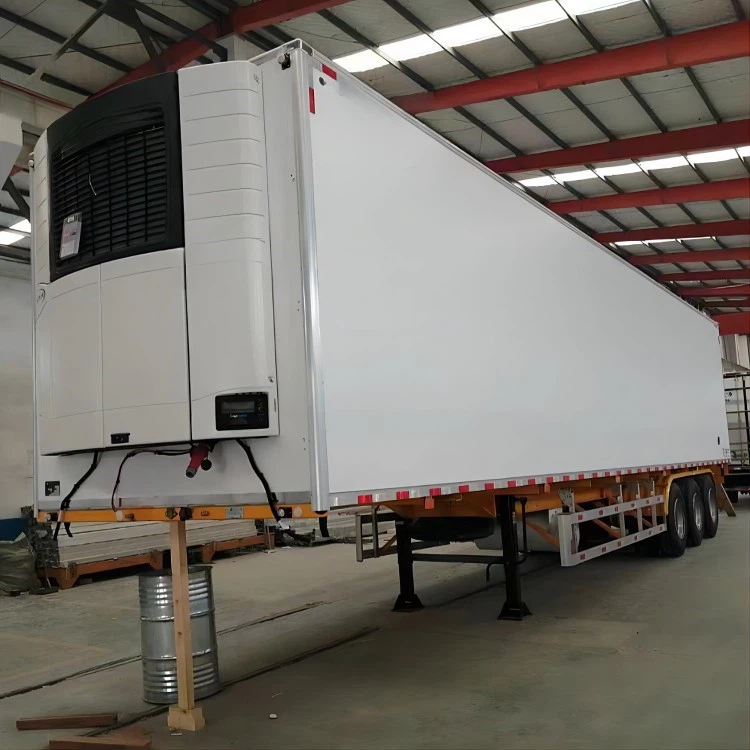
Trailer Refrigeration Unit (TRU)
The TRU is a self-contained refrigeration unit that has its own diesel fuel supply from a tank located underneath the trailer. It also has a small diesel engine and a refrigerant compressor. This device cycles as necessary to maintain the preset temperature while monitoring the inside temperature of the trailer compartment(s).
Insulated Container
Foam insulation is used to insulate the walls of reefer trailers, and the doors seal tightly to keep out air. This guarantees that the temperature stays the same for the duration of the journey.
A Chute for Air
Reefer trailers need adequate air flow to keep the interior at a steady temperature, which calls for air to move freely throughout the trailer. The inner ceiling of some reefers is attached with an air supply duct because of this. Air is distributed from the front of the trailer to the back via this chute. The majority of reefers also include metal channels in the floor that make room for air to flow uniformly underneath the cargo being transported.
Temperature
From a control panel on the driver's side of the TRU, the temperature is controlled and set in accordance with the needs of the consumer. A TRU can provide heating in addition to cooling if necessary to keep the freight at the proper temperature.
Air Ride Suspension
A TRU air ride suspension typically consists of airbags located at each corner of the unit. The airbags are inflated and deflated by a compressor and air tank system controlled by the driver. The air pressure in the bags can be adjusted to level the unit and provide a smoother ride.
How to Choose Refrigerated Trailers
Consider the Size and Capacity
Refrigerated trailers come in various sizes and capacities. Evaluate the volume of cargo you typically transport and choose a trailer size that accommodates both your current and potential future needs. Ensuring that the trailer has ample space without being excessive helps optimize energy efficiency.
Assess the Temperature Control Features
Modern refrigerated trailers offer advanced temperature control features. Look for trailers with precise temperature control mechanisms, ensuring that the internal environment remains consistent throughout the journey. Some trailers come equipped with multi-zone cooling options, allowing you to transport different goods with varied temperature requirements in a single trip.
Check for Energy Efficiency
Energy efficiency is a crucial factor in reducing operational costs and minimizing environmental impact. Choose a refrigerated trailer that incorporates energy-efficient technologies, such as advanced insulation and low-emission refrigeration units. These features not only save on fuel costs but also contribute to sustainable transportation practices.
Ensure Proper Ventilation
Proper ventilation is essential to maintain the quality of certain products, especially fruits and vegetables. Trailers with adequate ventilation systems help regulate humidity levels and prevent the buildup of ethylene gas, extending the shelf life of perishable items.
Evaluate Refrigeration Unit Reliability
The refrigeration unit is the heart of any refrigerated trailer. Prioritize reliability when selecting a trailer by opting for reputable brands known for durable and efficient refrigeration units. Regular maintenance is crucial to keep the unit in optimal condition, so inquire about the availability of maintenance services and spare parts.
Check for User-Friendly Features
Consider features that enhance the user-friendliness of the refrigerated trailer. This can include easy-to-use temperature monitoring systems, remote control options, and user-friendly interfaces. A trailer with intuitive features can contribute to the efficiency of your operations and reduce the risk of errors.
The Right Way to Load a Refrigerated Trailers
Pre-cool your cargo
Reefer semi trailers are not designed to chill warm goods, but rather to keep chilled goods cool. In other words, if items are meant to be kept at 40 degrees Fahrenheit during their journey, they should be at that temperature when they're loaded. This is best for them and also for the semi trailer's refrigeration unit.
Minimize cargo dock time
Ensuring that your cargo is pre-cooled isn't helpful if it's then allowed to sit on a warm loading dock for an extended period. As much as possible, time your loading so that cargo can be moved from cold storage to your cold semi trailer quickly and efficiently.
Pre-cool the cargo space
The residual heat in the floor, walls and ceiling of a reefer semi trailer can transfer to the cargo you load. Consequently, it's important to get the trailer to the desired transport temperature before you load it. A certain amount of warming may occur during the loading process, but it will be minimal and the trailer's cooling unit can catch up easily.
Ensure proper spacing
The key to keeping goods cool in a reefer semi trailer is airflow. Anything that inhibits airflow creates the risk of hotspots developing in the trailer. Consequently, you should position your cargo so that there is at least 2 inches of space between the goods and the trailer sidewalls, 4 inches of clearance from the rear doors, and 9 inches of overhead clearance.
Use pallets if appropriate
If the floor of the trailer you're using is flat, you should load cargo onto pallets so that air can flow easily under the goods. Again, unimpeded airflow is essential.
Be mindful of cooling equipment function
It's important that you understand how the cooling system on your reefer semi trailer works and ensure that cargo doesn't interfere with that work. For example, goods should not block the cooling system's evaporator outlet.
Emerging Trends in Refrigerated Trailers
Sustainability and Environmental Consciousness
People have become aware of the environment and its consequences on it. Therefore, people are now opting for more eco-friendly gadgets than usual ones. These fridges use coolants that are environment safe and authorized by the government to use. The refrigerator now uses these gases as per government recommendation to keep things cool. These eco-friendly gases such as hydrofluorocarbons (HFCs) maintain the temperature of the earth preventing them from rising global warming. So, when people buy fridges, they think about the Earth and pick ones that don't make it too hot.
Internet of Things (IoT) Integration
The integration of the internet has touched almost every part of our lives. And, refrigerated trailers are not left untouched. These trailers are equipped with smart temperature sensors and GPS devices. It shares instant information about the temperature and route of these trailers. This also allows users to check and control things remotely. It also helps to predict when the trailer needs fixings and indicate if there are any problems in the trailers. So, it's like giving these trailers a superpower to stay in perfect shape and do their job better!
Data-Driven Optimization
The integration of emerging technology in these refrigerated trailers, helps them perform much better. The use of telematics and a data-driven approach helps make the refrigerated trailers more advanced. It gives access to users to monitor and change the temperature in real-time, saving the food and products right before they get frozen or humid. Moreover, by using these data it plans the fastest and most optimal route, reducing the consumption of fuel and making the working efficient. In other words, it's like having smart fridges that not only will save you money but also keep the food fresh and safe to eat.
Advanced Cooling Technologies
With new and improved technologies the way refrigeration trailers work is also changing. They are becoming advanced with the betterment of technologies. Getting efficient in keeping things cold with, less energy, and remote temperature controls. Some of these trailers use coolants like liquid nitrogen to keep them fresh for long. Also, refrigerated trailers that work on an electric basis are more in demand than diesel ones. These electric trailers help in reducing noise and air pollution. So, our fridges are getting cooler, saving energy, and helping the environment!
How to Maintain Refrigerated Trailers
Practice Routine Vehicle Maintenance
As a company that relies on refrigerated trailers for daily business operations, vehicle maintenance issues such as unexpected breakdowns, wear and tear, condenser or evaporator problems, temperature sensor malfunctions, and blocked airflows will disrupt the ability to optimize the use of refrigerated trailers.It is therefore important to have a routine maintenance plan that is followed to prevent unexpected downtime from maintenance issues and breakdowns.
Clean the Interior
With all the kinds of temperature-sensitive products being transported, reefer trailers can get messy. Once emptied, reefer trailers need to be cleaned using a pressure washer with water mixed with industrial refrigeration detergent because the leftovers, dirt, and other messy things can hinder proper airflow within the trailer, risk the temperature consistency in the trailer, and put products at risk of spoilage and damage.
Perform Pre-trip Inspections
Interior inspections include checking if drains have clogs, walls have cracks or cuts, and air chutes have holes. Exterior inspections include checking for oil leaks, faults in hoses and belts, unusual engine noises, trailer body damages, light malfunctions, and low tire pressure.
Stay Fully Fueled Up
Before transporting products be sure there is a full fuel tank to prevent the reefer trailer from running out of fuel. If the reefer runs out of fuel, it also runs out of cold, placing the perishable products at risk of spoilage and can cause major mechanical issues as the cooling unit will pull accumulated moisture out of the lines if fuel is low.
Our Factory
Liangshan Xinruida Special Vehicle Machinery Manufacturing Co., Ltd. is a designated production unit for automobiles and trailers approved by the Ministry of Industry and Information Technology of China. Its products have been listed in the "Announcement" management and have passed the mandatory "3C" certification and 2000 quality management system certification of the China Quality Certification Center.At present, the company mainly engages in the production and manufacturing of trailers for "Liangshan Xinruida", "Cheng'an Xinruida", and "Jinan Senyang", as well as the design and export of various specialized vehicles. The enterprise supplies flatbed semi-trailers, low flatbed semi-trailers, cement Semi Dump Trailers, excavator transport semi-trailers, concrete transport Semi Dump Trailers, multi axis low flatbed semi-trailers, rear dump trucks, side dump semi-trailers, coal transport semi-trailers, 40 foot container semi-trailers, oil Semi Dump Trailers, asphalt special vehicles, bulk cement Semi Dump Trailers, cement mixer trucks, skeleton semi-trailers, extended and widened trucks, and special vehicles.
certificate

FAQ
As one of the most professional refrigerated trailers manufacturers and suppliers in China, we're featured by quality products and competitive price. Please rest assured to buy refrigerated trailers for sale here from our factory. Contact us for customized service.
refrigerated tanker trailer