

As a reefer trailer supplier, I often get asked about the versatility of our products. One question that comes up quite frequently is whether a reefer trailer can be used for transporting flowers. The short answer is yes, but there's a lot more to it than that. In this blog post, I'll delve into the details of using reefer trailers for flower transportation, discussing the benefits, considerations, and best practices.
Why Use a Reefer Trailer for Flower Transportation?
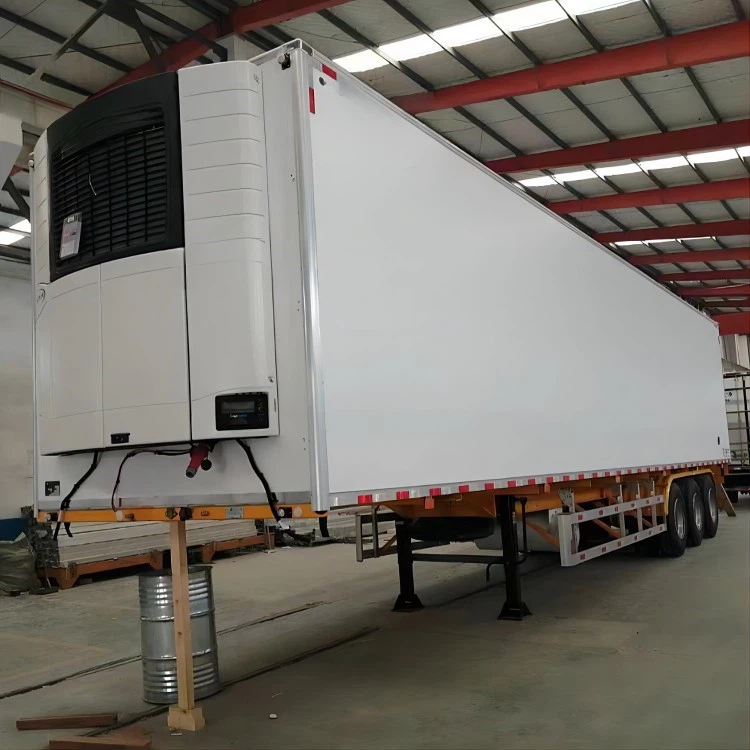
Flowers are delicate and highly perishable items. They require specific environmental conditions to maintain their freshness and quality during transit. A reefer trailer, also known as a refrigerated trailer, is designed to provide a controlled temperature environment, making it an ideal solution for transporting flowers.
Temperature Control
The most significant advantage of using a reefer trailer is its ability to maintain a consistent temperature. Different types of flowers have different temperature requirements. For example, tropical flowers like orchids typically require a warmer temperature range of around 60 - 65°F (15 - 18°C), while temperate flowers like roses and lilies prefer a cooler environment of 32 - 36°F (0 - 2°C). A reefer trailer can be set to the exact temperature needed for the specific type of flowers being transported, ensuring that they stay fresh and vibrant throughout the journey.

Humidity Regulation
In addition to temperature control, humidity is also a crucial factor in flower preservation. Flowers can lose moisture quickly, especially in dry environments, which can lead to wilting and damage. Reefer trailers can be equipped with humidity control systems to maintain the optimal humidity level for the flowers. This helps to prevent dehydration and keeps the petals and leaves looking fresh and healthy.
Protection from External Elements
A reefer trailer provides a sealed and insulated environment, protecting the flowers from external factors such as dust, dirt, and pests. It also shields them from extreme weather conditions, such as heatwaves, cold snaps, and heavy rain, which can cause significant damage to the delicate blooms.
Considerations When Using a Reefer Trailer for Flower Transportation
While reefer trailers offer many benefits for flower transportation, there are several considerations that need to be taken into account to ensure the success of the operation.
Trailer Size and Capacity
The size and capacity of the reefer trailer should be carefully chosen based on the volume of flowers being transported. It's important to avoid overloading the trailer, as this can restrict air circulation and lead to uneven temperature distribution. On the other hand, using a trailer that is too large can result in wasted energy and increased transportation costs.
Loading and Unloading Procedures
Proper loading and unloading procedures are essential to prevent damage to the flowers. The flowers should be carefully arranged in the trailer to allow for adequate air circulation. They should also be secured to prevent them from shifting during transit. When unloading the flowers, it's important to handle them gently and quickly to minimize the time they are exposed to the outside environment.
Maintenance and Monitoring
Regular maintenance of the reefer trailer is crucial to ensure its proper functioning. This includes checking the refrigeration system, inspecting the insulation, and testing the humidity control systems. It's also important to monitor the temperature and humidity levels inside the trailer during transit to ensure that they remain within the optimal range for the flowers.
Best Practices for Using a Reefer Trailer to Transport Flowers
To ensure the best results when using a reefer trailer for flower transportation, the following best practices should be followed:
Pre - Cool the Trailer
Before loading the flowers, the reefer trailer should be pre - cooled to the desired temperature. This helps to create a stable environment for the flowers and reduces the risk of temperature fluctuations during transit.
Use Proper Packaging
The flowers should be packed in suitable containers that provide adequate protection. Cardboard boxes with ventilation holes are commonly used for flower transportation. The boxes should be stacked in a way that allows for proper air circulation.
Plan the Route
When planning the transportation route, it's important to consider factors such as traffic conditions, road quality, and the duration of the journey. Avoid routes with long delays or rough roads, as these can increase the risk of damage to the flowers.
Provide Adequate Ventilation
Proper ventilation is essential to maintain a fresh and healthy environment inside the reefer trailer. The trailer should be equipped with vents or fans to ensure that fresh air is circulated throughout the load.
Our Reefer Trailer Offerings
At our company, we offer a wide range of reefer trailers suitable for flower transportation. Our 5 ton 10 ton refrigerated truck is a popular choice for smaller flower shipments. It offers excellent temperature control and is easy to maneuver, making it ideal for local and regional deliveries.
For larger flower shipments, our 4 Axle Refrigerated Semi Trailer is a great option. It has a high capacity and is designed for long - distance transportation. With its advanced refrigeration system and robust construction, it can ensure the safe and efficient transportation of large volumes of flowers.
Conclusion
In conclusion, a reefer trailer is an excellent choice for transporting flowers. It provides the necessary temperature and humidity control, protection from external elements, and a stable environment to keep the flowers fresh and beautiful. However, it's important to consider the various factors involved in flower transportation and follow the best practices to ensure the success of the operation.
If you're in the market for a reefer trailer for flower transportation, we'd love to hear from you. Our team of experts can help you choose the right trailer for your needs and provide you with all the support and guidance you need. Contact us today to start the procurement process and let us help you transport your flowers safely and efficiently.
References
- "Flower Transportation: Best Practices and Considerations." Journal of Horticultural Science.
- "Temperature and Humidity Control in Refrigerated Transport." International Journal of Refrigeration.
- "The Impact of Packaging on Flower Preservation during Transportation." Packaging Technology and Science.


