

As a supplier of reefer trailers, I often get asked whether these units can be used in extreme weather conditions. It's a valid concern, as extreme temperatures, both hot and cold, can pose significant challenges to the proper functioning of refrigeration systems. In this blog post, I'll delve into the capabilities of reefer trailers in extreme weather and discuss the factors that influence their performance.
Understanding Reefer Trailers
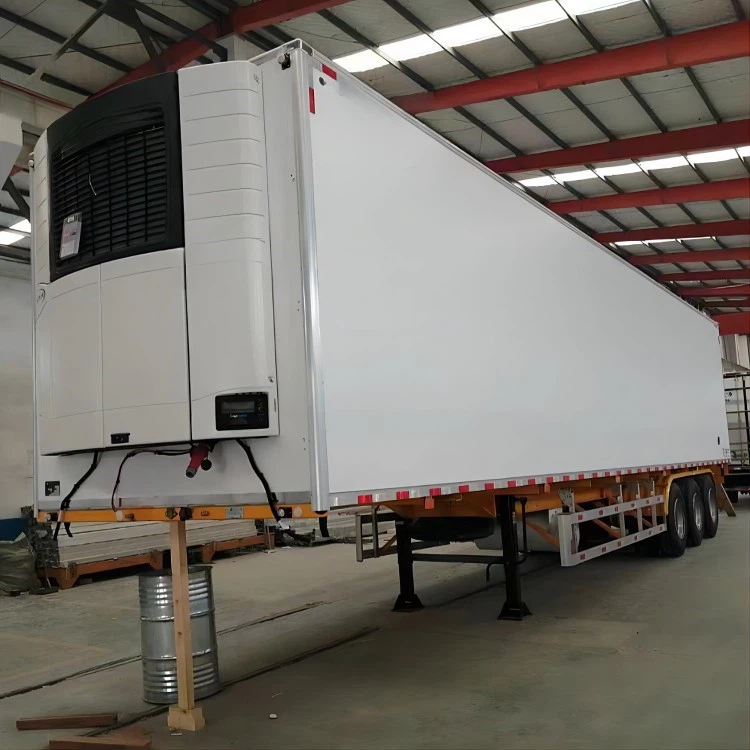
Before we explore their performance in extreme weather, let's briefly understand what reefer trailers are. Reefer trailers are specialized semi - trailers equipped with a refrigeration unit. They are designed to transport temperature - sensitive goods such as food products, pharmaceuticals, and chemicals. The refrigeration system maintains a specific temperature range inside the trailer, ensuring the integrity and quality of the cargo.
Performance in Extreme Cold
One of the common concerns is how reefer trailers perform in extremely cold weather. Temperatures well below freezing can affect the refrigeration system in several ways.
Refrigerant Properties
Refrigerants, the substances used in the cooling process, have specific operating temperature ranges. In extremely cold conditions, the viscosity of the refrigerant can increase, which may lead to reduced flow through the system. This can result in decreased cooling efficiency. However, modern reefer trailers are designed with refrigerants that have a wider operating temperature range. For example, some refrigerants can operate effectively even at temperatures as low as - 40°F (- 40°C).
Battery Performance
The battery of the reefer unit is also crucial for its operation. Cold weather can reduce the battery's capacity and ability to deliver power. A weak battery may not be able to start the refrigeration unit or keep it running efficiently. To mitigate this issue, many reefer trailers are equipped with battery heaters or are designed with high - performance batteries that are better suited for cold climates.
Insulation
Proper insulation is essential to prevent heat transfer from the outside to the inside of the trailer. In cold weather, good insulation helps the refrigeration system maintain the desired temperature with less energy. High - quality insulation materials, such as polyurethane foam, are commonly used in reefer trailers. These materials have low thermal conductivity, which means they can effectively keep the cold air inside the trailer and the warm air outside.
Despite these challenges, reefer trailers can be used in cold climates. Many industries, such as the transportation of frozen foods in Arctic regions or cold storage distribution during winter, rely on reefer trailers to keep their products frozen.

Performance in Extreme Heat
On the other end of the spectrum, extreme heat can also put a strain on reefer trailers.
Refrigeration System Overload
In hot weather, the refrigeration system has to work harder to remove heat from the inside of the trailer. High ambient temperatures can cause the condenser coils to overheat, reducing the system's ability to dissipate heat effectively. This can lead to a decrease in cooling capacity and an increase in energy consumption. To combat this, modern reefer units are equipped with larger condensers and more powerful fans to improve heat dissipation.
Airflow and Ventilation
Proper airflow inside and outside the trailer is crucial for maintaining the efficiency of the refrigeration system. In hot weather, blocked vents or poor ventilation can cause hot air to accumulate around the trailer, further increasing the workload on the refrigeration unit. Reefer trailers are designed with ventilation systems that ensure a constant flow of fresh air, both inside the cargo area and around the refrigeration components.
Lubrication and Component Wear
High temperatures can also affect the lubrication of moving parts in the refrigeration system. Lubricants can break down more quickly in hot conditions, leading to increased friction and wear on components. Regular maintenance, including lubricant checks and replacements, is essential to ensure the long - term performance of the reefer unit in hot weather.
Despite the challenges, reefer trailers are commonly used in hot climates. For example, in desert regions where the transportation of perishable goods is necessary, reefer trailers are relied upon to keep products fresh.
Case Studies
Let's look at some real - world examples to illustrate the performance of reefer trailers in extreme weather.
Arctic Transportation
In the Arctic, where temperatures can drop to extremely low levels, reefer trailers are used to transport frozen seafood and other perishable goods. These trailers are specially designed with enhanced insulation and cold - weather - resistant components. The operators also follow strict maintenance schedules to ensure that the refrigeration units are in top - notch condition. For instance, they regularly check the battery, refrigerant levels, and insulation integrity.
Desert Logistics
In desert areas with scorching heat, reefer trailers are used to transport fruits, vegetables, and dairy products. The trailers are equipped with advanced cooling systems that can handle high ambient temperatures. Logistics companies also plan their routes carefully to minimize the time the trailers are exposed to the extreme heat. They may schedule deliveries during the cooler parts of the day or use shaded storage areas.
Factors Affecting Performance
Several factors can influence how well a reefer trailer performs in extreme weather conditions.
Trailer Design
The design of the reefer trailer plays a crucial role. Trailers with a well - insulated body, efficient ventilation, and a properly sized refrigeration unit are more likely to perform well in extreme weather. For example, a trailer with a larger condenser can dissipate heat more effectively in hot weather, while a trailer with thick insulation can retain cold air better in cold weather.
Maintenance
Regular maintenance is essential for the optimal performance of reefer trailers in all weather conditions. This includes checking and replacing filters, inspecting the refrigerant levels, and ensuring that all components are in good working order. Neglecting maintenance can lead to reduced performance and even breakdowns, especially in extreme weather.
Cargo Loading
The way the cargo is loaded can also affect the performance of the reefer trailer. Proper loading ensures good airflow inside the trailer, which is essential for maintaining a uniform temperature. Overloading the trailer or blocking the vents can lead to hot spots and uneven cooling.
Our Product Offerings
As a reefer trailer supplier, we offer a range of high - quality products that are designed to perform well in extreme weather conditions. Our 4 Axle Refrigerated Semi Trailer is built with advanced insulation materials and a powerful refrigeration system. It can withstand both extremely cold and hot temperatures, making it suitable for various transportation needs.
We also have 5 ton 10 ton refrigerated truck options that are perfect for smaller - scale operations. These trucks are equipped with energy - efficient refrigeration units and are designed for easy maintenance.
Conclusion
In conclusion, reefer trailers can be used in extreme weather conditions, but it requires careful consideration of various factors. With proper design, maintenance, and loading practices, these trailers can effectively transport temperature - sensitive goods in both hot and cold climates.
If you're in the market for a reefer trailer that can handle extreme weather, we'd love to hear from you. Whether you're a large - scale logistics company or a small - business owner, our team of experts can help you find the perfect solution for your needs. Contact us to start the procurement process and discuss your specific requirements.
References
- ASHRAE Handbook of Refrigeration.
- "Transport Refrigeration Technology" by industry experts in the field of refrigerated transportation.
- Case studies and reports from major reefer trailer manufacturers and logistics companies.


