

Transporting chemicals with a high vapor pressure in a tanker truck is a tricky but crucial task. As a supplier of chemical tanker trucks, I've seen firsthand the challenges and importance of getting this right. In this blog, I'll share some insights on how to handle this process safely and efficiently.
Understanding High - Vapor - Pressure Chemicals
First off, let's talk about what high - vapor - pressure chemicals are. These are chemicals that easily turn into vapor at normal temperatures and pressures. Examples include volatile organic compounds (VOCs), some solvents, and certain liquefied gases. Because they vaporize readily, they pose unique risks during transportation.
The main risk is the build - up of pressure inside the tanker. If the pressure gets too high, it can lead to leaks, ruptures, or even explosions. So, it's essential to have a proper understanding of the chemical's properties before loading it onto the tanker. You need to know things like its boiling point, vapor pressure curve, and how it reacts with other substances.
Selecting the Right Tanker Truck
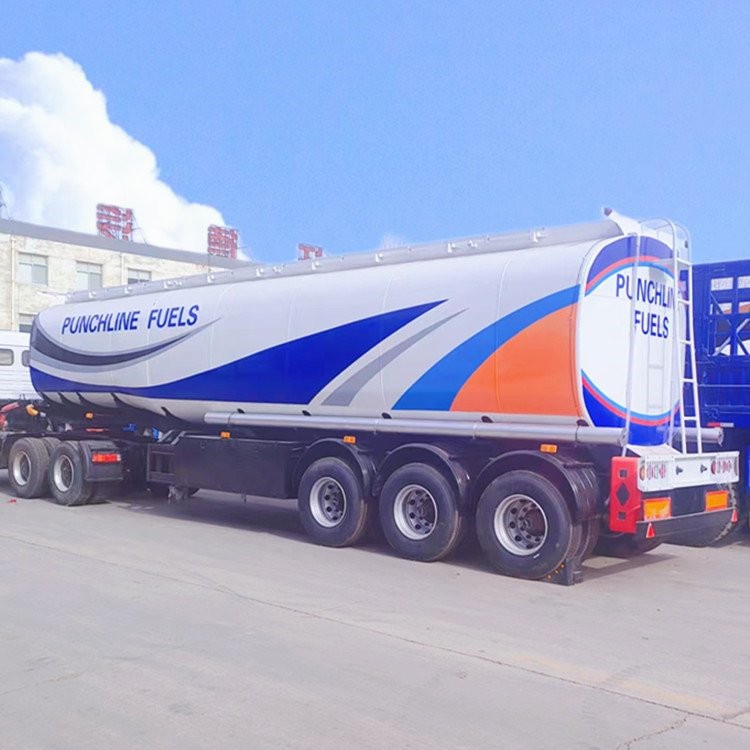
When it comes to transporting high - vapor - pressure chemicals, not all tanker trucks are created equal. You need a tanker that can handle the pressure and the chemical's corrosive nature.
For starters, the tanker should be made of a material that is resistant to the chemical. Stainless steel is a popular choice because it's strong and resistant to corrosion. It can withstand the harsh conditions inside the tank when carrying high - vapor - pressure chemicals.
The tanker also needs to have a proper pressure - relief system. This system is designed to release excess pressure if it builds up inside the tank. It's like a safety valve that prevents the tank from exploding. A good pressure - relief system should be able to handle the maximum pressure that the chemical can generate under normal and abnormal conditions.
If you're in the market for a suitable tanker, we offer some great options. Check out our 40 Cube Fuel Tank Trailer and 40m3 3Axle Chemical Tanker Truck. These tankers are built to high standards and are well - suited for transporting various chemicals.
Loading the Chemicals
Loading high - vapor - pressure chemicals into the tanker is a process that requires careful attention. First, you need to make sure that the tanker is clean and free of any contaminants. Even a small amount of the wrong substance can cause a chemical reaction, which can be dangerous.
Before loading, you should also check the temperature and pressure of the chemical. If the temperature is too high, the vapor pressure will be higher, which can increase the risk of pressure build - up during transportation. You may need to cool the chemical down or adjust the loading rate to prevent this.
During loading, it's important to use proper equipment. For example, you should use a closed - loading system. This system helps to prevent the release of vapors into the environment. It also reduces the risk of spills and leaks.
Monitoring During Transportation
Once the tanker is on the road, the job isn't over. You need to monitor the conditions inside the tank continuously. This can be done using sensors that measure temperature, pressure, and other parameters.
If the sensors detect any abnormal conditions, such as a sudden increase in pressure or temperature, you need to take immediate action. This could involve pulling over the tanker and taking steps to reduce the pressure, such as releasing some vapor through the pressure - relief system.
It's also a good idea to have a communication system in place so that the driver can quickly report any issues to the company's control center. This way, the experts at the control center can provide guidance on how to handle the situation safely.
Unloading the Chemicals
Unloading high - vapor - pressure chemicals is just as important as loading them. You need to follow a proper procedure to ensure that the chemicals are transferred safely from the tanker to the storage facility.
Like loading, unloading should be done using a closed - system to prevent the release of vapors. You also need to make sure that the storage facility is compatible with the chemical. It should have the proper ventilation and safety equipment to handle the high - vapor - pressure chemical.
After unloading, the tanker should be thoroughly cleaned to remove any residue of the chemical. This helps to prevent cross - contamination if the tanker is going to be used to transport another chemical.

Safety Precautions
Safety is the number one priority when transporting high - vapor - pressure chemicals. Here are some safety precautions that you should always follow:
- Training: All personnel involved in the transportation process, including drivers, loading and unloading operators, and maintenance staff, should receive proper training. They need to know how to handle the chemicals safely, how to operate the tanker's equipment, and what to do in case of an emergency.
- Personal Protective Equipment (PPE): Everyone who comes into contact with the chemicals should wear appropriate PPE, such as gloves, goggles, and respirators. This helps to protect them from exposure to the chemicals and their vapors.
- Emergency Response Plan: You should have a detailed emergency response plan in place. This plan should outline the steps to take in case of a spill, leak, or other emergency. It should also include information on how to contact the relevant emergency services.
Conclusion
Transporting chemicals with a high vapor pressure in a tanker truck is a complex process that requires careful planning, the right equipment, and strict safety measures. As a chemical tanker truck supplier, we're committed to providing you with the best - quality tankers and support to ensure that your transportation operations are safe and efficient.
If you're interested in our tanker trucks, such as the 50ft Gasoline Tanker Trailer, or if you have any questions about transporting high - vapor - pressure chemicals, don't hesitate to contact us. We're here to help you make the right choice for your business. Let's work together to make chemical transportation safer and more reliable.
References
- "Transportation of Hazardous Materials: A Guide for Industry", US Department of Transportation
- "Chemical Safety Handbook", American Chemistry Council


