

Transporting chemicals with a low flash point in a tanker truck is a serious business that demands careful planning, strict safety measures, and the right equipment. As a supplier of chemical tanker trucks, I've seen firsthand the challenges and importance of getting this process right. In this blog, I'll share some insights on how to transport these volatile chemicals safely and efficiently.
Understanding Low Flash Point Chemicals
First off, let's talk about what low flash point chemicals are. The flash point of a chemical is the lowest temperature at which it can vaporize to form an ignitable mixture in air. Chemicals with a low flash point, usually below 100°F (37.8°C), are highly flammable and pose a significant fire and explosion risk. Examples include gasoline, ethanol, and some solvents.
When you're dealing with these kinds of chemicals, you can't afford to cut corners. One small mistake could lead to a disaster, not just for the driver and the cargo but also for the surrounding environment and communities.
Choosing the Right Tanker Truck
The type of tanker truck you use is crucial. You need a truck that's specifically designed to handle low flash point chemicals. At our company, we offer a range of tanker trucks that are built to meet the highest safety standards.
For instance, our 50ft Gasoline Tanker Trailer is ideal for transporting large volumes of gasoline. It's made from high-quality materials that can withstand the corrosive nature of gasoline and is equipped with advanced safety features like pressure relief valves and grounding systems.
Another option is our 40 Cube Fuel Tank Trailer. This trailer is perfect for transporting various types of fuel, including those with low flash points. It has a robust design and is easy to maintain, which is important for long-term use.
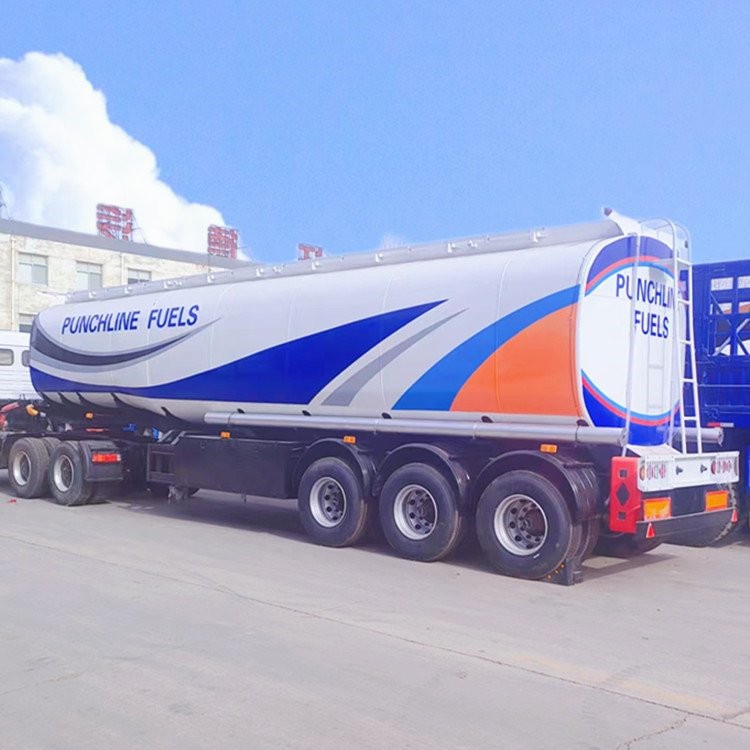
If you need a more heavy-duty solution, our 40m3 3Axle Chemical Tanker Truck is a great choice. It's designed to handle a wide range of chemicals, including those with low flash points, and is built to last.

Safety Features and Equipment
In addition to the right tanker truck, you also need to make sure it's equipped with the necessary safety features and equipment. Here are some of the key things to look for:
- Pressure Relief Valves: These valves are designed to release excess pressure in the tank, preventing explosions. They're a must-have for any tanker truck carrying low flash point chemicals.
- Grounding Systems: Static electricity can build up during the loading and unloading process, which can ignite the vapors. Grounding systems help to dissipate this static charge and reduce the risk of fire.
- Leak Detection Systems: These systems can detect leaks in the tank or the piping, allowing you to take immediate action to prevent spills.
- Emergency Shut-Off Valves: In case of an emergency, these valves can be used to quickly stop the flow of chemicals, minimizing the risk of a major accident.
Loading and Unloading Procedures
The loading and unloading of low flash point chemicals require strict procedures to ensure safety. Here are some important steps to follow:
- Inspect the Tanker Truck: Before loading, make sure the tanker truck is in good condition. Check for any signs of damage or leaks, and ensure that all safety features are working properly.
- Use Proper Loading Equipment: Use hoses and fittings that are designed for the specific chemical you're transporting. Make sure they're properly connected and secured to prevent spills.
- Follow the Loading Sequence: Load the chemicals slowly and carefully, following the recommended loading sequence. This helps to prevent splashing and the build-up of static electricity.
- Monitor the Loading Process: Keep an eye on the loading process at all times. Look for any signs of leaks or abnormal pressure changes, and take immediate action if necessary.
- Unloading Procedures: The unloading process is just as important as the loading process. Follow the same safety procedures, and make sure the receiving tank is properly grounded and equipped with the necessary safety features.
Driver Training and Safety
The driver plays a crucial role in the safe transportation of low flash point chemicals. That's why it's essential to provide them with comprehensive training on safety procedures and emergency response.
- Safety Training: Drivers should be trained on the proper handling of low flash point chemicals, including loading and unloading procedures, safety features of the tanker truck, and emergency response protocols.
- Emergency Response Training: In case of an emergency, drivers should know how to respond quickly and effectively. This includes knowing how to use the emergency shut-off valves, how to evacuate the area safely, and how to contact the appropriate emergency services.
- Regular Safety Checks: Drivers should perform regular safety checks on the tanker truck before, during, and after each trip. This helps to identify any potential problems early on and prevent accidents.
Regulatory Compliance
Transporting low flash point chemicals is subject to strict regulations at both the national and international levels. It's important to stay up-to-date with these regulations and ensure that your tanker truck and operations are in compliance.
- DOT Regulations: In the United States, the Department of Transportation (DOT) has established regulations for the transportation of hazardous materials, including low flash point chemicals. These regulations cover everything from tanker truck design and construction to loading and unloading procedures.
- International Regulations: If you're transporting chemicals across international borders, you'll also need to comply with international regulations, such as the International Maritime Dangerous Goods (IMDG) Code and the European Agreement concerning the International Carriage of Dangerous Goods by Road (ADR).
Conclusion
Transporting chemicals with a low flash point in a tanker truck is a complex and challenging task, but it can be done safely and efficiently with the right equipment, procedures, and training. As a chemical tanker truck supplier, we're committed to providing our customers with the highest quality tanker trucks and the support they need to ensure the safe transportation of their chemicals.
If you're in the market for a chemical tanker truck or have any questions about transporting low flash point chemicals, don't hesitate to contact us. We'd be happy to discuss your specific needs and help you find the right solution for your business.
References
- Department of Transportation (DOT). Regulations for the Transportation of Hazardous Materials.
- International Maritime Dangerous Goods (IMDG) Code.
- European Agreement concerning the International Carriage of Dangerous Goods by Road (ADR).


