

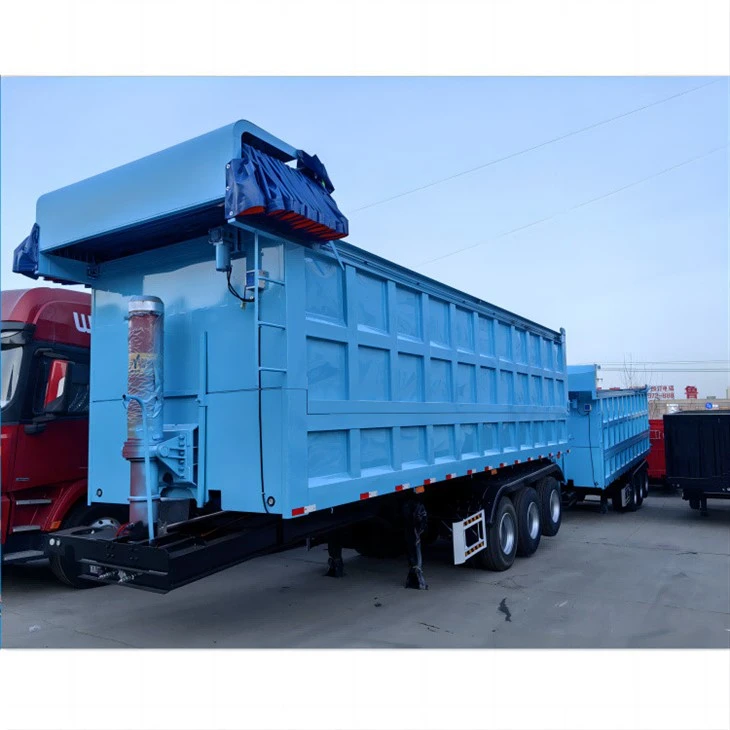
Hey there! As a supplier of end dump semi trailers, I've seen my fair share of brake - related issues. Adjusting the brakes of an end dump semi trailer is crucial for safety and proper functioning. In this blog, I'll walk you through how to do it right.
First off, let's understand why brake adjustment is so important. End dump semi trailers carry heavy loads, and the brakes need to be in top - notch condition to handle those weights. If the brakes aren't adjusted correctly, it can lead to uneven braking, longer stopping distances, and even brake failure in extreme cases. No one wants that on the road!
Pre - adjustment Checks
Before you start adjusting the brakes, you need to do a few checks. First, park the trailer on a flat, stable surface and set the parking brake. Make sure the wheels are chocked to prevent any accidental movement.
Inspect the brake components. Look for signs of wear and tear, like worn brake pads, damaged brake lines, or leaking brake fluid. If you notice any major issues, it's best to replace the parts before adjusting the brakes. A damaged brake system won't work properly, no matter how well you adjust it.

Tools You'll Need
To adjust the brakes, you'll need a few basic tools. A brake adjustment tool is a must - have. It's designed to turn the adjuster star wheel, which tightens or loosens the brakes. You'll also need a jack and jack stands to lift the trailer safely. A lug wrench will come in handy to remove the wheels if necessary. And don't forget a flashlight to help you see in dark or hard - to - reach areas.
Adjusting the Drum Brakes
Most end dump semi trailers use drum brakes. Here's how you adjust them:
- Lift the Trailer: Use the jack to lift the end of the trailer where you'll be adjusting the brakes. Place the jack stands under the frame for support. Make sure the trailer is stable before proceeding.
- Remove the Wheel: Use the lug wrench to remove the wheel. This will give you access to the brake drum.
- Locate the Adjuster: Inside the brake drum, you'll see the adjuster star wheel. It's usually located at the bottom of the drum. Use the flashlight to find it if it's hard to see.
- Adjust the Brakes: Insert the brake adjustment tool into the access hole and turn the star wheel. Turning it clockwise tightens the brakes, while turning it counter - clockwise loosens them. You want to adjust the brakes until the brake shoes just touch the drum. You can tell this by rotating the drum by hand. It should turn with a little resistance.
- Check the Adjustment: After adjusting the brakes, rotate the drum a few times. Then, check the adjustment again. You may need to make small adjustments until you get it right.
- Reinstall the Wheel: Once you're satisfied with the adjustment, reinstall the wheel and tighten the lug nuts. Lower the trailer using the jack.
Adjusting the Air Brakes
Some end dump semi trailers have air brakes. Here's the process for adjusting them:
- Inspect the Slack Adjusters: The slack adjusters are located between the brake chamber and the brake camshaft. Check for any signs of damage or excessive wear.
- Measure the Free Stroke: The free stroke is the distance the pushrod moves before the brakes start to apply. Use a ruler to measure the free stroke. It should be within the manufacturer's recommended range.
- Adjust the Slack Adjusters: If the free stroke is too long, you need to adjust the slack adjusters. Use a wrench to turn the adjustment bolt on the slack adjuster. Turning it clockwise shortens the slack adjuster, which tightens the brakes.
- Re - measure the Free Stroke: After adjusting the slack adjusters, re - measure the free stroke. Make sure it's within the proper range.
Testing the Brakes
Once you've adjusted the brakes, it's important to test them. Take the trailer for a short test drive on a safe, empty road. Apply the brakes gently at first to see how they respond. Make sure the trailer stops smoothly and evenly. If you notice any pulling to one side or strange noises, there may still be an issue with the brakes.
Maintenance Tips
To keep your brakes in good condition, regular maintenance is key. Check the brake fluid level regularly and top it up if needed. Inspect the brake components every few months for wear and tear. And don't forget to adjust the brakes periodically. Over time, the brakes will wear down, and they'll need to be adjusted to maintain proper performance.
Our End Dump Semi Trailers
At our company, we offer a wide range of end dump semi trailers. If you're in the market for a new trailer, check out our Half Dump Trailer, 4Axle Semi Truck Dump Trailer, and 13 to 17 meter semi - trailer. Our trailers are built to last and come with high - quality brake systems. But even the best brakes need to be adjusted and maintained.
If you have any questions about adjusting the brakes or our trailers, feel free to reach out. We're here to help you make the right choice and keep your trailer running smoothly. Whether you're a seasoned trucker or new to the industry, we can provide the support and advice you need.
Conclusion
Adjusting the brakes of an end dump semi trailer isn't rocket science, but it does require some knowledge and the right tools. By following the steps outlined in this blog, you can ensure your brakes are in good working condition. Remember, safety should always be your top priority. If you're not comfortable adjusting the brakes yourself, it's best to take your trailer to a professional mechanic.
If you're interested in purchasing an end dump semi trailer or have any questions about our products, don't hesitate to contact us. We're ready to assist you with all your trailer needs.
References
- "Truck and Trailer Brake Systems" - A comprehensive guide on brake systems for commercial vehicles.
- Manufacturer's manuals for end dump semi trailers, which provide detailed information on brake adjustment.


