

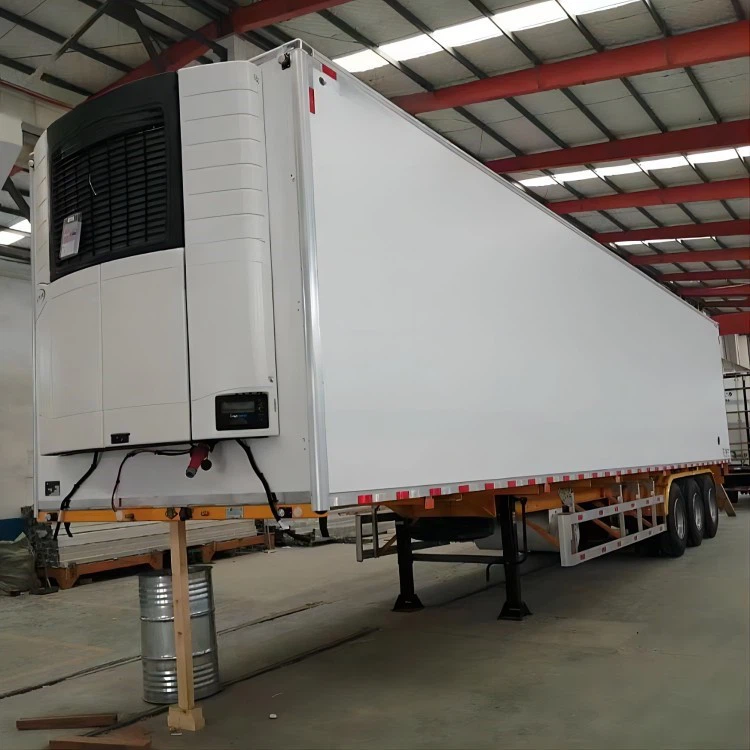
Hey there! I'm a supplier of reefer trailers, and I know firsthand how important it is to keep these bad boys in tip - top shape. Reefer trailers, or refrigerated trailers, are crucial for transporting all sorts of temperature - sensitive goods, from fresh produce to pharmaceuticals. If you're not maintaining your reefer trailer properly, you're not only risking the quality of your cargo but also facing potential costly repairs down the line. So, let's dive into how to maintain a reefer trailer.
Regular Inspections
First off, regular inspections are a must. You should be checking your reefer trailer at least once a week, if not more often depending on how frequently you use it. Start with the exterior. Look for any signs of physical damage like dents, scratches, or rust. These might seem minor at first, but over time, they can lead to bigger problems such as air leaks, which can mess up the trailer's cooling efficiency.
Check the seals around the doors. A damaged or worn - out seal can let warm air in and cold air out. You can easily spot a bad seal if you see gaps or if the seal doesn't press firmly against the door frame. Replace any faulty seals as soon as possible. You can find good - quality replacement seals at most trailer supply stores.
Moving on to the interior, inspect the walls and floors. Make sure there are no signs of moisture or mold growth. Moisture can cause structural damage and also contaminate your cargo. If you do find moisture, track down the source. It could be a leak in the roof, a problem with the drainage system, or even a malfunctioning refrigeration unit.
Refrigeration Unit Maintenance
The refrigeration unit is the heart of the reefer trailer, so it needs extra attention. Change the air filters regularly. Clogged air filters restrict airflow, making the unit work harder and less efficiently. How often you should change them depends on how dirty the environment is where you operate the trailer. In a clean environment, you might be able to get away with changing them every three months, but in a dusty or dirty area, you might need to change them monthly.
Check the refrigerant levels. Low refrigerant levels can cause the unit to cool inefficiently or not at all. But be careful when checking this. Refrigerant handling requires special training, so if you're not sure what you're doing, it's best to call in a professional. They can also check for any refrigerant leaks, which are not only bad for the unit's performance but can also be harmful to the environment.
The condenser coils also need to be kept clean. These coils release heat from the refrigeration unit. If they're covered in dirt and debris, the unit can't release heat effectively, and it will overwork. You can use a soft brush or a low - pressure hose to clean the coils. Just make sure you turn off the unit before you start cleaning.
Electrical System Checks
The electrical system in a reefer trailer powers the refrigeration unit and other components. Check the wiring regularly for any signs of wear, fraying, or corrosion. Loose or damaged wires can cause electrical problems, which can lead to a breakdown of the refrigeration unit. If you find any issues with the wiring, don't try to fix it yourself unless you have the proper electrical knowledge. Hire an electrician who is experienced with reefer trailers.
Test the battery regularly. A weak or dead battery can leave you stranded and your cargo at risk. You can use a battery tester to check the battery's charge level. If the battery is old or not holding a charge, replace it. And make sure the battery terminals are clean and tight. Corroded terminals can prevent the battery from charging properly.
Tire Maintenance
Tires are another important aspect of reefer trailer maintenance. Check the tire pressure at least once a week. Under - inflated tires can increase fuel consumption, cause uneven tire wear, and even lead to a blowout. Over - inflated tires can also be a problem as they reduce traction and make the ride less comfortable. Use a good quality tire pressure gauge to check the pressure, and make sure you inflate the tires to the recommended level, which you can find in the trailer's manual.
Inspect the tires for any signs of wear, such as bald spots or cuts. Tires with low tread depth are more likely to hydroplane in wet conditions and can be dangerous. If the tread depth is below the legal limit, it's time to replace the tires. Also, check for any signs of uneven wear, which could indicate a problem with the trailer's alignment or suspension.

Lubrication
Lubrication is key to keeping the moving parts of your reefer trailer working smoothly. Grease the trailer's suspension components, such as the leaf springs and bushings, regularly. This helps reduce friction and wear, extending the lifespan of these parts. You can use a grease gun to apply the grease. Make sure you use the right type of grease for the specific components.
Don't forget to lubricate the door hinges. Stiff or squeaky hinges can make it difficult to open and close the doors, and they can also cause damage to the door seals over time. A simple spray of lubricant can do the trick.
Cleaning
Regular cleaning is not just about making your reefer trailer look good; it's also important for maintaining its functionality. Clean the interior of the trailer after each use. Remove any debris, spilled cargo, or dirt. You can use a mild detergent and a hose to clean the walls and floors. Make sure you rinse thoroughly to remove all the soap residue.
Clean the exterior of the trailer as well. This helps prevent rust and keeps the paint in good condition. You can use a car wash soap and a soft sponge or cloth to clean the exterior. Avoid using abrasive materials that could scratch the paint.
Record Keeping
Keep a maintenance log for your reefer trailer. Write down all the inspections, repairs, and maintenance tasks you perform. This helps you keep track of when things were last done and when they're due again. It can also be useful if you ever need to sell the trailer. A detailed maintenance log shows potential buyers that the trailer has been well - taken care of.
If you're looking for high - quality reefer trailers, we've got some great options. Check out our 5 ton 10 ton refrigerated truck and 4 Axle Refrigerated Semi Trailer for more information.
Maintaining a reefer trailer might seem like a lot of work, but it's definitely worth it in the long run. By following these maintenance tips, you can ensure that your reefer trailer operates efficiently, keeps your cargo safe, and lasts for many years. If you have any questions or are interested in purchasing a reefer trailer, don't hesitate to reach out. We're here to help you with all your reefer trailer needs.
References
- Trailer Maintenance Handbook by Trailer Industry Association
- Refrigeration Unit Manufacturer's Manuals


