

Driving an end dump semi trailer is a task that requires a unique set of skills and knowledge. As a supplier of end dump semi trailers, I've witnessed firsthand the challenges and complexities that come with operating these powerful vehicles. In this blog post, I'll explore whether special training is necessary to drive an end dump semi trailer and share insights based on my experience in the industry.
The Complexity of End Dump Semi Trailers
End dump semi trailers are designed to transport and unload bulk materials such as gravel, sand, and dirt. Unlike other types of trailers, end dump semi trailers have a hydraulic system that allows the trailer to tilt and dump its contents from the rear. This feature makes them highly efficient for unloading large quantities of materials quickly, but it also adds an extra layer of complexity to the driving process.
One of the main challenges of driving an end dump semi trailer is the weight distribution. These trailers can carry heavy loads, and the weight can shift significantly when the trailer is tilted for unloading. This can affect the stability of the vehicle and make it more difficult to control, especially on uneven terrain or in adverse weather conditions.
Another challenge is the maneuverability of end dump semi trailers. These trailers are typically longer and wider than other types of trailers, which can make them more difficult to navigate in tight spaces. Additionally, the hydraulic system used to tilt the trailer requires careful operation to ensure that the trailer is unloaded safely and efficiently.
The Importance of Special Training
Given the complexity of end dump semi trailers, it's clear that special training is necessary to drive these vehicles safely and effectively. Special training programs can provide drivers with the knowledge and skills they need to operate end dump semi trailers safely, including:
- Vehicle familiarization: Training programs can teach drivers about the different components of an end dump semi trailer, including the hydraulic system, the trailer's weight capacity, and the proper procedures for loading and unloading materials.
- Safety procedures: Drivers need to be aware of the potential hazards associated with driving an end dump semi trailer, such as tipping over, losing control of the vehicle, or causing damage to the trailer or the surrounding environment. Training programs can teach drivers how to identify and avoid these hazards and how to respond in the event of an emergency.
- Maneuvering techniques: End dump semi trailers require special maneuvering techniques to navigate in tight spaces and on uneven terrain. Training programs can teach drivers how to back up, turn, and park an end dump semi trailer safely and efficiently.
- Maintenance and inspection: Regular maintenance and inspection are essential to ensure the safe operation of an end dump semi trailer. Training programs can teach drivers how to perform basic maintenance tasks, such as checking the hydraulic fluid levels, inspecting the brakes and tires, and lubricating the moving parts.
Benefits of Special Training
In addition to improving safety, special training programs can also provide several other benefits for drivers and companies that operate end dump semi trailers, including:
- Increased efficiency: Drivers who receive special training are more likely to operate end dump semi trailers efficiently, which can help to reduce fuel consumption, increase productivity, and lower operating costs.
- Improved customer satisfaction: Drivers who are trained to operate end dump semi trailers safely and efficiently are more likely to provide high-quality service to customers, which can help to improve customer satisfaction and loyalty.
- Reduced liability: Companies that invest in special training programs for their drivers can reduce their liability in the event of an accident or other incident involving an end dump semi trailer. By ensuring that their drivers are properly trained and qualified, companies can demonstrate that they have taken reasonable steps to prevent accidents and protect the safety of their employees and the public.
Types of Special Training
There are several types of special training programs available for drivers who want to learn how to operate end dump semi trailers safely and effectively. These programs can be offered by a variety of organizations, including trucking companies, vocational schools, and government agencies.
- Classroom training: Classroom training programs typically include lectures, videos, and discussions on topics such as vehicle familiarization, safety procedures, and maneuvering techniques. These programs can provide drivers with a solid foundation of knowledge and skills, but they may not provide hands-on experience.
- On-the-job training: On-the-job training programs allow drivers to learn how to operate an end dump semi trailer under the supervision of an experienced driver or trainer. This type of training can provide drivers with valuable hands-on experience, but it may not be as structured or comprehensive as a classroom training program.
- Combination training: Combination training programs combine classroom training with on-the-job training to provide drivers with a comprehensive learning experience. These programs can provide drivers with the knowledge and skills they need to operate an end dump semi trailer safely and effectively, while also giving them the opportunity to practice their skills in real-world situations.
Conclusion
In conclusion, special training is necessary to drive an end dump semi trailer safely and effectively. These vehicles are complex and require a unique set of skills and knowledge to operate, and special training programs can provide drivers with the information and training they need to do so. By investing in special training for their drivers, companies can improve safety, increase efficiency, and reduce liability, while also providing their customers with high-quality service.

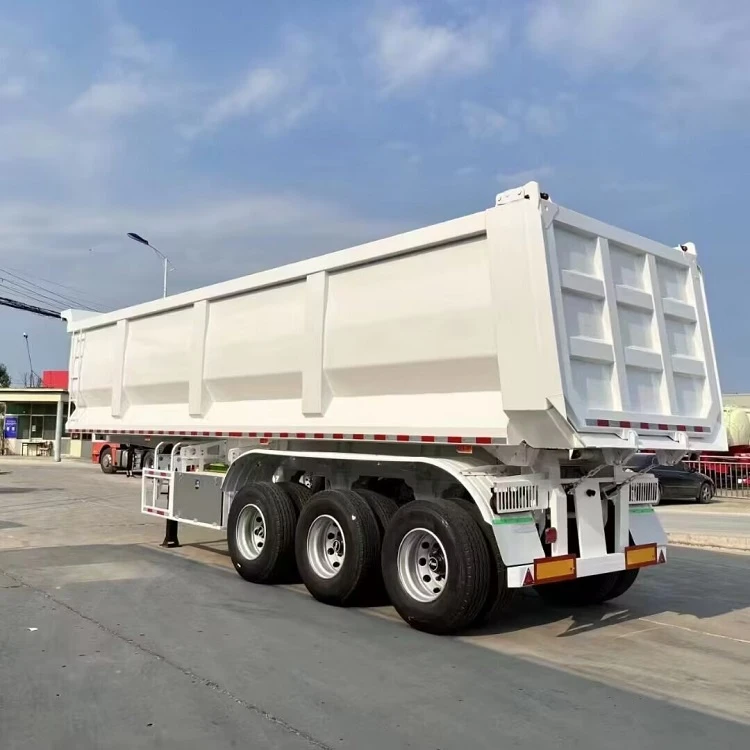
If you're interested in learning more about our end dump semi trailers or our training programs, please contact us to schedule a consultation. Our team of experts can provide you with more information about our products and services and help you find the right solution for your needs.
References
- Federal Motor Carrier Safety Administration. (n.d.). Commercial Driver's License Manual. Retrieved from https://www.fmcsa.dot.gov/registration/commercial-driver-licensing/cdl-manual
- National Highway Traffic Safety Administration. (n.d.). Large Truck and Bus Crash Facts. Retrieved from https://www.nhtsa.gov/research-data/large-truck-and-bus-crash-facts
- Trucking Industry Training, Reform, and Accountability Act of 2016. (n.d.). Retrieved from https://www.fmcsa.dot.gov/registration/commercial-driver-licensing/trucking-industry-training-reform-and-accountability-act-2016


