

Alright, folks! I'm a supplier of fuel tank trailers, and today we're gonna dive into the nitty - gritty of the regulations for fuel tank trailer emissions. It's super important, not just for us suppliers but also for all the folks out there using these trailers.

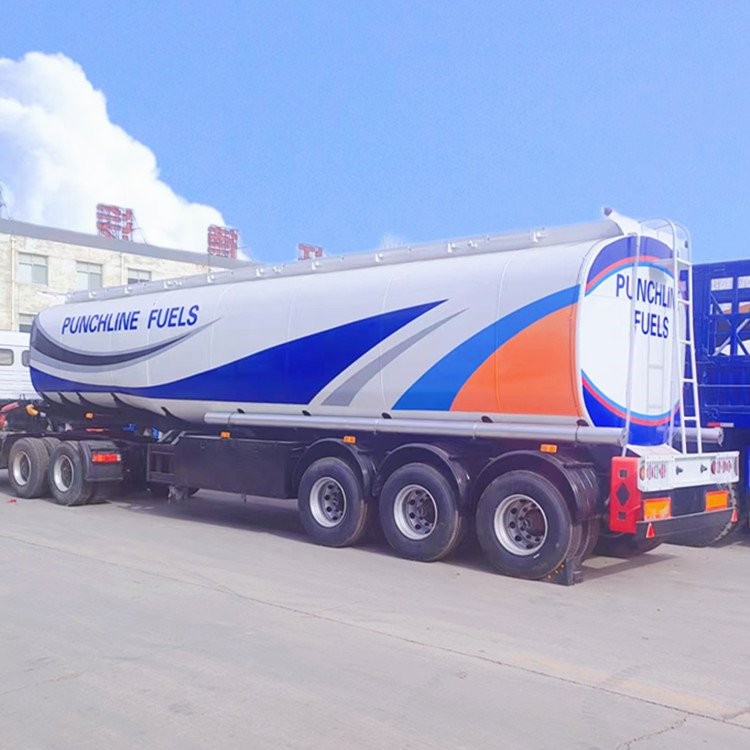
First things first, why do we even have emissions regulations for fuel tank trailers? Well, it's all about the environment and public health. Fuel tank trailers carry all sorts of fuels, like gasoline, diesel, and sometimes even chemicals. When these substances are transported, there's always a risk of emissions. These emissions can contain harmful pollutants such as volatile organic compounds (VOCs), nitrogen oxides (NOx), and particulate matter.
VOCs, for example, are known to react with sunlight and other chemicals in the atmosphere to form ground - level ozone. And ground - level ozone is a major component of smog. Breathing in smog can cause all kinds of health problems, like coughing, throat irritation, and even long - term damage to the lungs. Not to mention, it also has a negative impact on the environment, harming plants and crops.
NOx emissions are another big deal. They play a significant role in the formation of acid rain, which can damage forests, rivers, and lakes. Acid rain can also eat away at buildings and monuments over time. And particulate matter? Well, these tiny particles can get deep into our lungs and bloodstream, causing respiratory and cardiovascular issues.
Let's start with the regulations related to the tank design. Fuel tank trailers need to be built in a way that minimizes emissions. For instance, they have to be properly sealed. A well - sealed tank reduces the chances of fuel vapors escaping into the atmosphere. Most modern fuel tank trailers are equipped with vapor recovery systems. These systems capture the fuel vapors that are displaced when the tank is being filled or emptied and then return them to the storage tank or a processing unit.
There are also regulations regarding the materials used in the construction of the tanks. The materials must be resistant to corrosion and chemical reactions with the fuel they are carrying. This is crucial because if the tank gets corroded, it can develop leaks, which obviously lead to emissions.
Now, moving on to the transportation aspect. During transit, there are rules about how the fuel tank trailers should be operated. The engines that power these trailers are subject to strict emissions standards. Just like regular vehicles, the engines need to meet certain limits for NOx, particulate matter, and other pollutants. This means that the engines often have to be equipped with advanced emission control technologies, such as catalytic converters and diesel particulate filters.
In some regions, there are also regulations about speed limits for fuel tank trailers. Driving at excessive speeds can cause more fuel to be burned, leading to increased emissions. Additionally, there are restrictions on idling. Leaving the engine running when the trailer is not in motion for an extended period is a waste of fuel and a source of unnecessary emissions.
Some areas require fuel tank trailer operators to have regular maintenance checks. These checks ensure that all the emission control systems are working properly. Things like checking the seals on the tanks, the functionality of the vapor recovery systems, and the condition of the engine's emission control devices.
Let's talk a bit about international regulations. Different countries have their own set of rules when it comes to fuel tank trailer emissions. In the United States, the Environmental Protection Agency (EPA) sets strict guidelines. The EPA has a phased - in approach for reducing emissions, pushing for more and more advanced technology in the fuel tank trailer industry.
In the European Union, the Emissions Standards for Heavy - Duty Vehicles place tight limits on the amount of pollutants that can be emitted by fuel tank trailers. These standards are continuously updated to keep up with the latest scientific research on the impact of emissions.
As a fuel tank trailer supplier, I understand the importance of complying with these regulations. That's why we offer a range of high - quality trailers that are designed to meet or exceed the emissions standards. For example, our 40 Cube Fuel Tank Trailer is built with state - of - the - art vapor recovery systems and corrosion - resistant materials. It's not only environmentally friendly but also very reliable.
Another great option is our 50ft Gasoline Tanker Trailer. This trailer is designed to minimize emissions during transportation, with a well - sealed tank and an efficient engine that meets the latest emission requirements.
And if you're in the market for a chemical tanker, our 40m3 3Axle Chemical Tanker Truck is a top - notch choice. It's built to handle the transport of various chemicals safely and with minimal emissions.
If you're interested in purchasing a fuel tank trailer, it's essential to consider the emissions regulations in your area. Make sure the trailer you choose complies with all the local and international standards. And don't hesitate to reach out to us for more information. We're here to help you make the right choice for your business. Whether you're a small - scale fuel distributor or a large - scale transportation company, we have the right trailer for you.
In conclusion, emissions regulations for fuel tank trailers are in place for a good reason. They protect our environment and public health. As a supplier, we're committed to providing trailers that not only meet these regulations but also offer great performance and value. If you want to learn more about our products or have any questions about emissions regulations, feel free to contact us. We'd be more than happy to have a chat and help you find the perfect fuel tank trailer for your needs.
References:
- Environmental Protection Agency (EPA) guidelines on fuel tank trailer emissions.
- Emissions Standards for Heavy - Duty Vehicles in the European Union.


