

Hey there! As a supplier of chemical tanker trucks, I've had my fair share of experiences and knowledge about these amazing vehicles. One of the key aspects that often gets overlooked but is super important is the wind-resistance features of a chemical tanker truck. So, let's dive right in and explore what makes these trucks cut through the wind like a hot knife through butter.
First off, let's talk about the shape. The overall shape of a chemical tanker truck plays a huge role in its wind resistance. Most modern chemical tanker trucks are designed with a streamlined shape. You know, kind of like a bullet. This shape helps to reduce the drag force that the wind exerts on the truck. When the truck is moving, the air flows smoothly over the curved surfaces, rather than getting caught up and creating turbulence. Turbulence is the enemy here because it increases the resistance and makes the truck work harder to move forward.

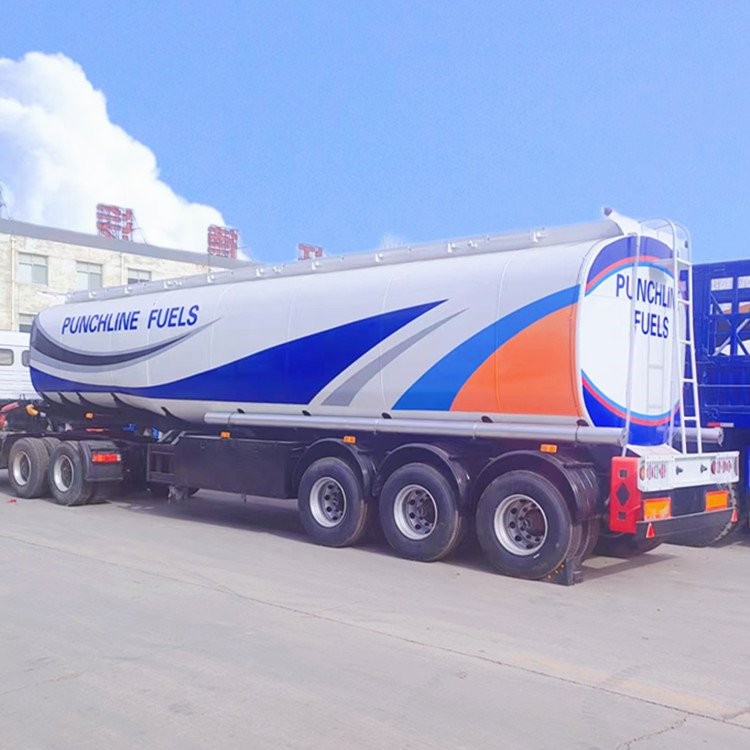
For example, the front end of the truck is usually rounded. This rounded shape allows the air to split and flow around the truck more easily. It's like when you're walking through a crowd. If you have a pointy object leading the way, it's going to cause a lot of disruption. But if you have a smooth, rounded shape, you can glide through more smoothly. The same principle applies to the wind hitting the front of the tanker truck.
Another important part of the shape is the sides of the tank. They are often straight and smooth. This helps the air to flow along the sides without creating any pockets of low pressure or turbulence. If the sides were bumpy or had sharp edges, the air would get trapped and create drag. And we definitely don't want that!
Now, let's move on to the materials used. The materials of the tanker truck can also affect its wind resistance. Most chemical tanker trucks are made of high - strength steel or aluminum. These materials are not only strong enough to hold the chemicals safely but also lightweight. A lighter truck requires less energy to move, especially when fighting against the wind.
Aluminum, in particular, is a great choice. It's about one - third the weight of steel. So, if you have a tanker truck made of aluminum, it's going to be much easier to push through the air. And since it's lighter, the engine doesn't have to work as hard, which means better fuel efficiency.
But it's not just about the tank itself. The cab of the truck also plays a role in wind resistance. Modern cabs are designed to be aerodynamic. They have a sloped windshield and a rounded roof. The sloped windshield allows the air to flow up and over the cab more smoothly, reducing the amount of wind hitting the front of the cab directly. The rounded roof helps to prevent the air from getting trapped on top of the cab, which would increase drag.
Some chemical tanker trucks even have additional aerodynamic features. For instance, there are side skirts that run along the bottom of the truck. These side skirts help to prevent the air from getting under the truck and creating turbulence. They act like a barrier, guiding the air to flow around the truck instead.
Another feature is the fairings. Fairings are small, streamlined pieces that are attached to the truck in strategic locations. They can be found on the sides of the cab, the back of the cab, or even on the tank itself. Fairings help to smooth out the airflow and reduce drag.
Now, you might be wondering, how does all this wind - resistance stuff actually benefit you? Well, first of all, it saves you money on fuel. When a truck has good wind - resistance features, it doesn't have to use as much fuel to move forward. With the rising cost of fuel, this can add up to significant savings over time.
Secondly, it reduces wear and tear on the engine. Since the engine doesn't have to work as hard to fight against the wind, it will last longer and require less maintenance. This means fewer breakdowns and less downtime for your business.
If you're in the market for a chemical tanker truck, we have some great options for you. Check out our 40 Cube Fuel Tank Trailer. It's not only built with great wind - resistance features but also has a large capacity to hold your fuel. And if you need something bigger for gasoline, our 50ft Gasoline Tanker Trailer is a perfect choice. For those specifically looking for a chemical tanker truck, our 40m3 3Axle Chemical Tanker Truck is top - notch.
We understand that every business has different needs, and we're here to help you find the perfect chemical tanker truck for your requirements. Whether you're transporting chemicals across the country or just around the local area, our trucks are designed to perform.
So, if you're interested in learning more about our chemical tanker trucks or want to discuss your specific needs, don't hesitate to reach out. We're always happy to have a chat and help you make the best decision for your business.
In conclusion, the wind - resistance features of a chemical tanker truck are a combination of shape, materials, and additional aerodynamic components. These features not only make the truck more efficient but also save you money in the long run. So, if you're in the market for a new chemical tanker truck, make sure to consider these wind - resistance factors.
References
- "Principles of Vehicle Aerodynamics" by Dr. Michael May.
- "Materials for Transportation Vehicles" by Dr. Jane Smith.


