

Liquid Tanker Trailer
-
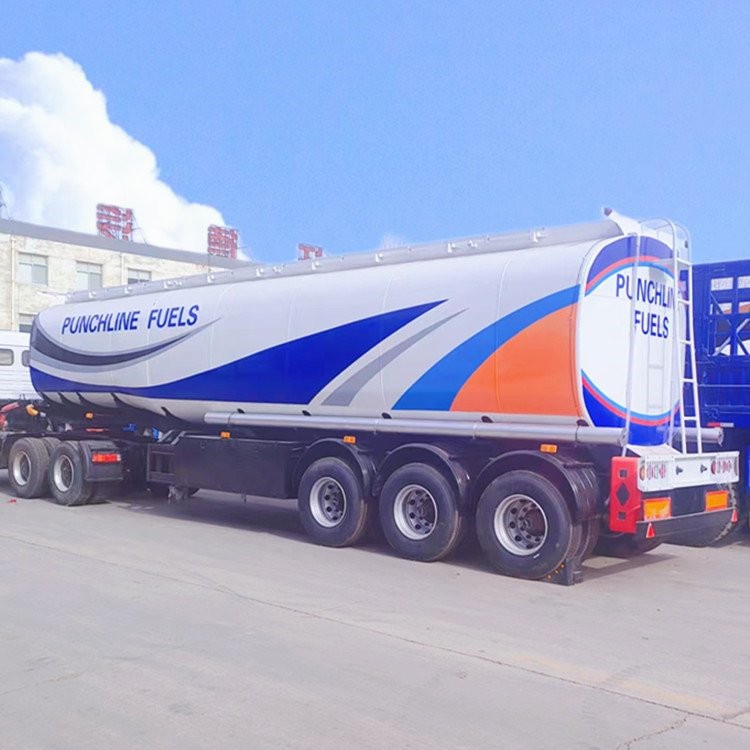
 40m3 3Axle Chemical Tanker TruckLiquid tank trucks mainly include oil tank trucks, water tank trucks, chemical liquid tank trucks, etc.The liquid tank trucks produced by Xinruida are mainly used to transport chemical liquids,Add to Inquiry
-
 40 Cube Fuel Tank TrailerLiquid tank trucks mainly include oil tank trucks, water tank trucks, chemical liquid tank trucks, etc.The liquid tank trucks produced by Xinruida are mainly used to transport chemical liquids,Add to Inquiry
-
 50ft Gasoline Tanker TrailerThe vehicle is used to transport liquid gas, It has been applied in liquefied gas transportation already for 20 years.It has reasonable design, proven technology, safe and reliable. The design,Add to Inquiry


Why Choose Us
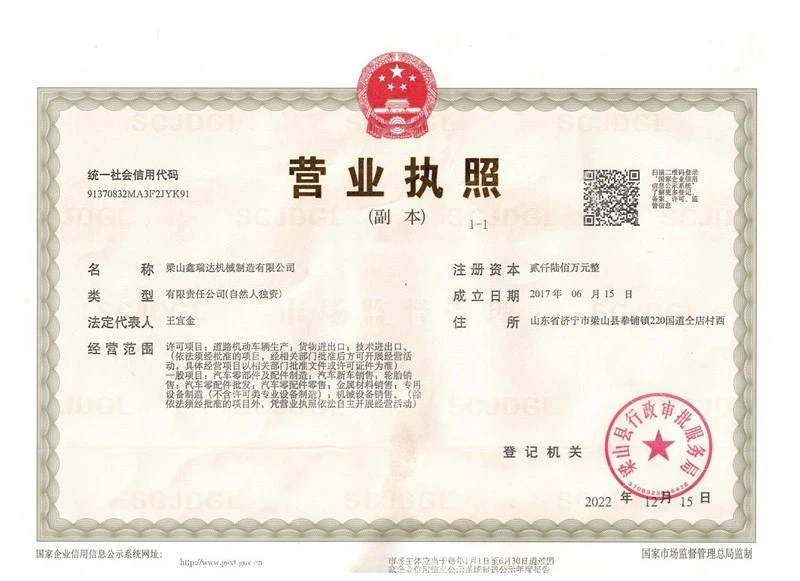
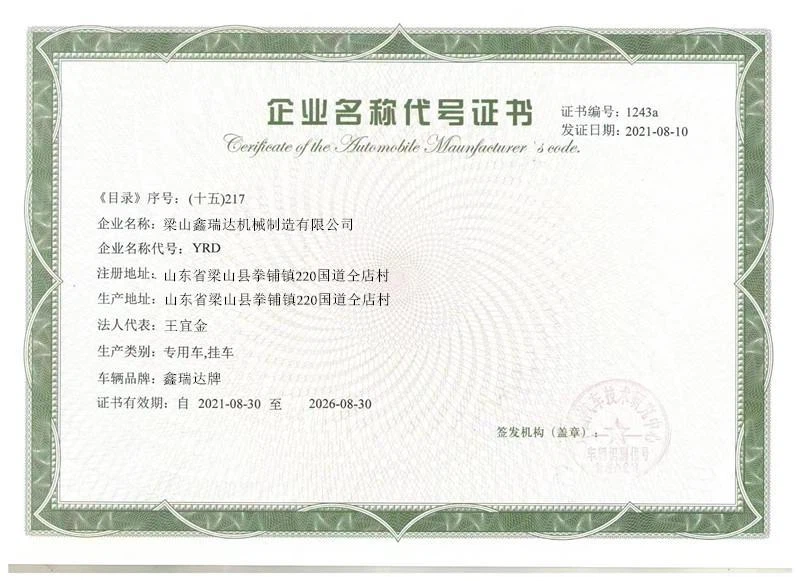
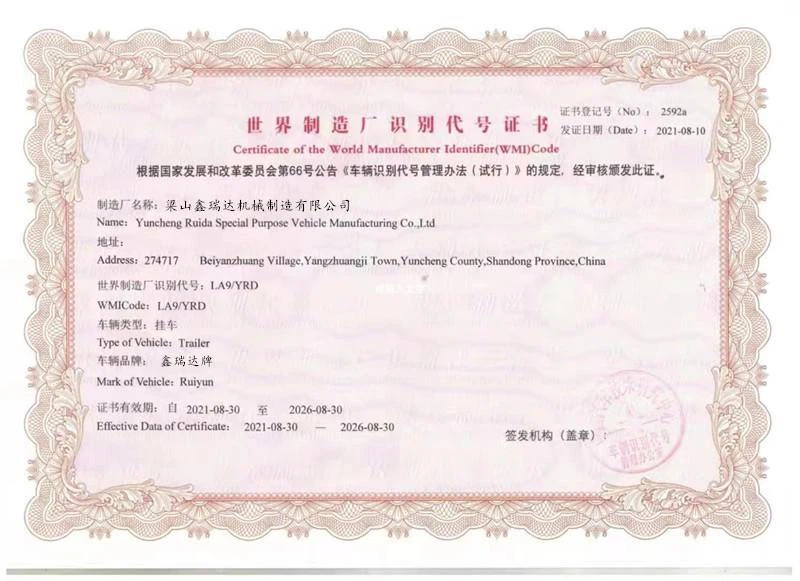
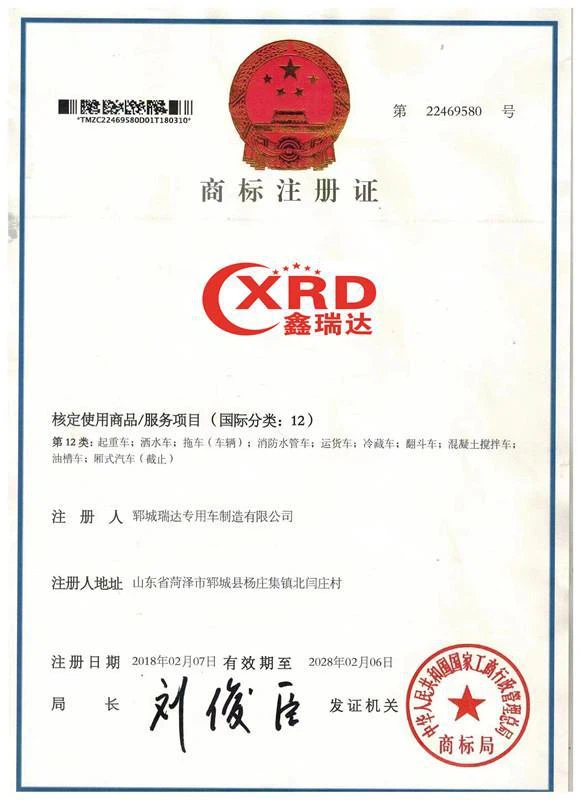
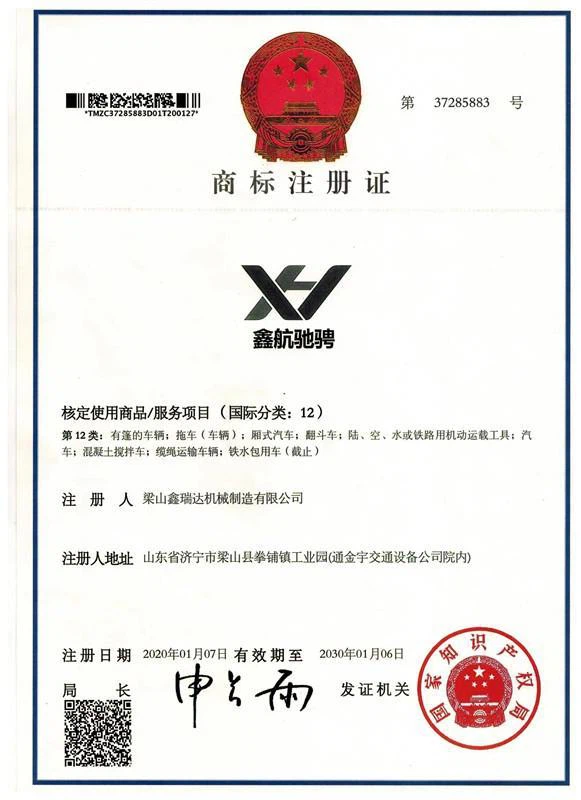
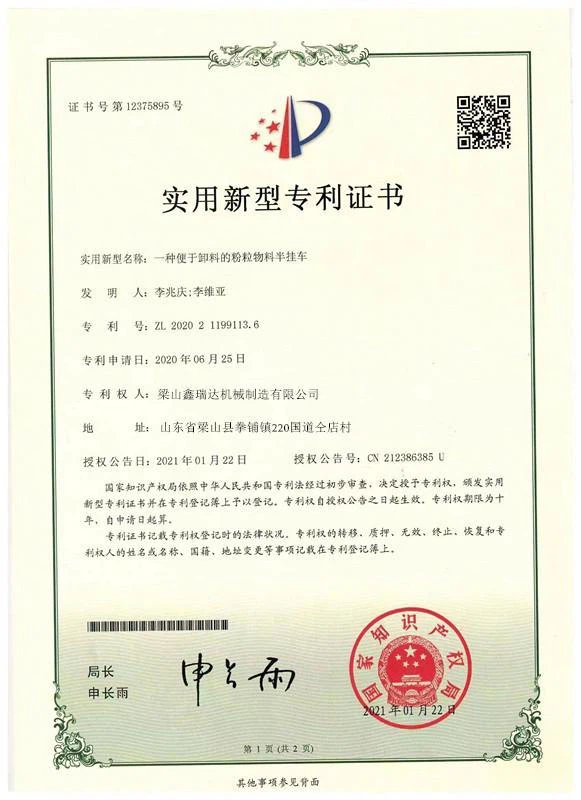
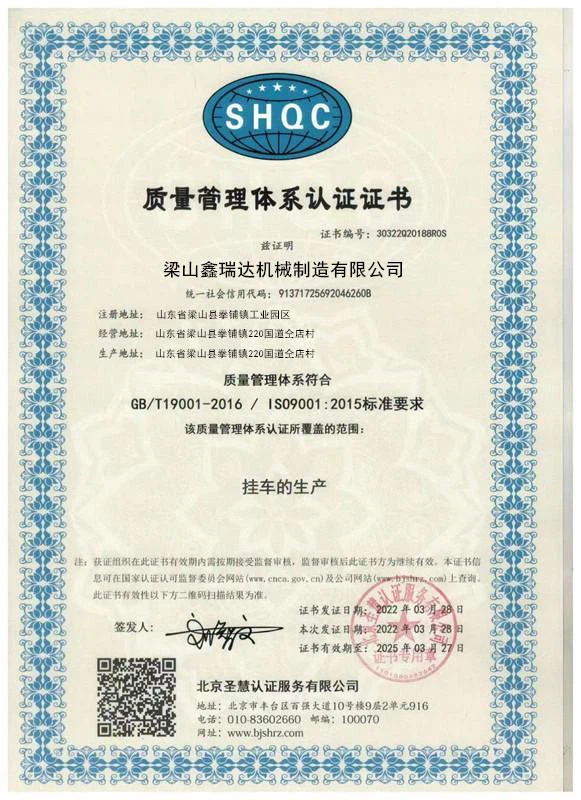
Our certificates
Liangshan Xinruida Special Vehicle Machinery Manufacturing Co., Ltd products have been listed in the "Announcement" management and have passed the mandatory "3C" certification and 2000 quality management system certification of the China Quality Certification Center.
Production market
Our semi trailers exported to more than 100 countries and regions in Europe, Central Asia, Russia, Africa, South America, and Southeast Asia, They have been well received by customers. Welcome to consult and cooperate.
Quality control
The company has introduced advanced, precise, and cutting-edge equipment, adopted processing techniques, and selected high-quality raw materials and components for production and manufacturing.
Our service
We promise that the company will be responsible for its products and its services will satisfy customers.
What is Liquid Tanker Trailer
Liquid tank trailers are a type of transportation equipment specifically designed for carrying and transporting liquids such as water, chemicals, petroleum products or food-grade liquids. These trailers are typically made of sturdy materials such as stainless steel or aluminum to ensure they're durable and can withstand the rigors of long-distance travel. They're equipped with a tank that can hold a large volume of liquid and have specialized fittings and valves to facilitate loading and unloading. Liquid tanker trailers are used by the agriculture, food processing and oil and gas industries to transport liquids from one location to another.
Benefits of Liquid Tanker Trailer
It's Effective and not too Expensive
The reason why most countries count with Liquid Tanker Trailer on the road is mainly due to their cases of stainless steel or aluminum alloy not being too expensive to make and thanks to that, it's very easy and effective to move fuels in great quantities from a location to another on without making millionaire investment on planes or other machines that could move the fluid in subterranean channels, leave everything to the drivers of these trailer beasts and everything will be as effective as ever and without any problem in the money factor.
A long Term Solution
The good thing about Liquid Tanker Trailer is the fact that you can core a great long term solution for moving fuels every single day as the general truck will be the only thing that will require proper maintenance, and the good thing about them is the fact that you won't require a mechanical degree top be able to fix everything, and in case that something escapes from your hand there are lots mechanics that are capable of helping you, and the cost of repairs and maintenance for these trucks are very affordable when you compare it to others methods of fuel; transports, making them a long term solution.
It Doesn't Require Extra Investments
If you are willing to transport fuel through planes then you will have to build something like a plane rack in which e plane will be able to stay on the ground and do the take-off, otherwise, you will have o spend a little extra cash in hiring hangars on airports and that is not too convenient as your location can be very ar away from that airport, so the extra cost will have to be made. However, when it comes to Liquid Tanker Trailer the situation is the opposite as the only thing required will be a road and there are lots of them in Australia, so they are good to go in most scenarios!
Types of Liquid Tanker Trailer
Vacuum trailer
A vacuum trailer is used for transporting and disposing of waste liquids such as sewage, sludge and industrial wastewater. It's designed with a vacuum pump system to suck up and transport waste materials. Cities often use these vacuum trucks to manage the large-scale clean-up of sludge and liquids in sewers and septic systems. Vacuum trailers can also be used in municipal and industrial applications to suction remaining debris and water from drilling or hydro-excavation job sites. They're must-haves for environmental and industrial clean-up and waste management.
Food-grade liquid tanker trailers
Food-grade liquid tanker trailers are designed to transport food and other consumable liquids such as milk, juice and wine. They're constructed using stainless steel, aluminum or food-grade plastic to ensure the safety and quality of the products being transported.
Water tanker trailers
Because they're capable of transporting large volumes of water, water tanker trailers are commonly used in agriculture, construction and firefighting operations for a variety of purposes, including:Water supply: Liquid tanker trailers are used to deliver fresh drinking water to areas where it may be in short supply, such as rural communities or regions affected by natural disasters.
Lpg/lng transport trailer
A liquefied petroleum gas (LPG) trailer or liquefied natural gas (LNG) transport trailer is a specialized vehicle that transports and delivers these gases to various destinations. LPG and LNG are used for several purposes, including heating and cooking in residential and commercial settings, fueling vehicles and powering industrial processes. An LNG/LPG transport trailer is made to withstand high pressures and extreme temperatures, ensuring the gas is transported safely and efficiently. It's commonly used by gas, transportation and industrial businesses that rely on these gases for their operations.
Liquid Tanker Trailer Handling Procedures
Loading and unloading
The first thing to know about the loading and unloading procedures of any tank trailer is that only well-trained professionals should handle it. Both the shipper and the carrier must have a person each at the loading and unloading sites to ensure that everything goes according to plan. These people can confirm that the bulk liquids being loaded or unloaded are the right ones. The individual from the sipper's end must also confirm that there has been no significant reduction in the quality of the bulk chemical freight during transit. All these have to be in place before you proceed with any loading or unloading activity.
Labeling
The law mandates the labeling of any trailer that carries hazardous materials. The labels help anyone recognize the kind of content the trailer is carrying so that they can take necessary precautions. And according to the FMCSA, all hazardous materials fall into nine major classes, with each class having its label.
Tank washing
Tank washing is the responsibility of the bulk liquid tanker carrier, and it must be done before every shipment. The only time when tank washing is not required is when a tanker is transporting the exact type of chemical it has most recently unloaded. Otherwise, the carrier must drive the tanker to a tank wash station for washing.At the tank washing station and after every thorough wash, they give each tank driver something called a wash slip. The wash slip is evidence that the tank has been thoroughly washed at the right facilities and is without risk of mixing chemicals from different shipments. It contains details of the wash type, the time, and the date of wash. Always ask to see the wash slip when the driver comes to load your bulk liquid product.
Chemical Industry
Chemical tankers are essential for transporting a wide range of chemicals used in industries such as manufacturing, agriculture, and healthcare. They ensure the safe delivery of various acids, solvents, and other hazardous substances.
Food Industry
Tanker trailers are also used in the food industry to transport liquid food products like milk, vegetable oils, and syrups. These trailers are designed to meet strict sanitary regulations to ensure the quality and safety of the transported goods.
Petroleum Industry
Tanker trailers play a vital role in the petroleum industry for the distribution of fuels to gas stations, airports, and other facilities. Fuel tankers ensure that gasoline, diesel, and jet fuel reach their destinations safely and efficiently.
Water Supply
Tanker trailers are commonly utilized to transport potable water to remote areas or regions facing water shortages. They help provide clean water for drinking, irrigation, and industrial purposes.
Waste Management
Tanker trailers are employed for the collection and transportation of liquid waste, including sewage, sludge, and industrial effluents. These trailers are equipped with specialized systems to prevent leaks and spills during transit.
Liquid Tanker Trailer characteristics

Material
Bulk-liquid-tanksBulk liquid tanks are made of stainless steel or aluminum, with stainless steel being most common. 307-alloy stainless steel-known for its versatility-was once an industry standard and is still used to ship certain classes of chemicals. In recent years, however, alloys such as 316 and 317 have become more popular due to their higher levels of nickel and their enhanced ability to handle certain corrosive materials.

Volume
The typical liquid bulk trailer holds 6,000-7,000 gallons. Some carriers offer “tight fill” tanks that hold only up to 5,000 gallons. By filling these smaller tanks completely, you ensure that the liquid won't get agitated in transit, reducing the chance of forming foam. Foam is nearly impossible to unload from a trailer, leaving you with a “heel” of unusable product, which you'll be forced to discard.

Insulation
Bulk liquid tanks are either insulated or non-insulated. Non-insulated tanks are also referred to as “skin tanks.” Insulated tanks have a layer of fiberglass that surrounds the tank and a sheath of stainless steel over that. Insulated tanks are most common due to their Thermos®-like ability to keep warm products warm and cold products cool during transit. Insulated tanks can also carry products that non-insulated tanks can carry, but the reverse is not true. And, as they are the most common type of tank, insulated tanks also increase the odds of securing a backhaul after product delivery, which can reduce the cost of the load.
In-transit heating
Bulk liquid tankers with in-transit heating capabilities have a series of steam coil lines at the bottom of the tank. This in-transit system does not actually heat the liquid in the tank. Rather, it assists in maintaining the product's existing heat. Power from the truck heats and circulates coolant from the radiator through the steam coil lines in a continuous cycle. When running at full strength-typically after 4 hours of continuous driving-this system reaches a maximum temperature of 160˚F.
Size
One of the most important things to keep in mind when shopping for chemical trailers is the amount of fluid you'll be transporting. This will help determine the size of your vehicle. Smaller tanks have higher specific gravity and can hold from between 3,800 to 5,000 gallons. Standard chemical trailer's length is usually between 42 and 45 feet and can hold between 6,000 to 7,000 gallons, while the largest models will be able to haul upwards of 8,000 gallons.
Fluid Type
You have to know the chemical characteristics of what you'll be transporting to select the right material and decide whether you need a liner. For example, for any acidic fluid, you will need a liner, the type of liner will be specified by the customer or manufacturer. If the liquid being transported is corrosive, then the tank must have an acid or corrosive-resistant lining or it will degrade very quickly. The chemical composition also determines the way you'll fill the tank. For example, air pumps aren't recommended for corrosive liquids unless you're thoroughly cleaning after each use.
Access Points
There'll be times you have to climb up the tank, such as when you need to perform an inspection, so when looking at chemical trailers for sale, ensure you select a model that has easy and safe access points. Some models will have additional safety features to prevent falls, like retractable handrails along the catwalk or drivers tethering themselves to a stable frame fixed on the trailer. You can also look at models with bottom loading and vapor recovery systems to avoid the climb. This vapor recovery systems vents and valves channel vapors to the right place, rather than causing build-ups in tanks or venting into the atmosphere. Also consider a ground level pressurization line that keeps you or your drivers off the tanks when off loading. With the pressurization line you have air at the front and or rear of the tank over the fenders.
Lighting
Lighting is very important when you're dealing with combustible, hazardous and volatile liquids in big bulks. Make sure your selected model has great lighting that can brighten up the darkest roads. Some models will come with additional light features above the discharge tube area and on the steps of the ladder so you don't have to fumble around in the dark. LED strips mounted along the body of the trailer will also help keep other vehicles away from you. You can also consider the "Ring of Fire" which is a red light strip around the diameter of the rear head to ensure other drivers know you are stopping.
Types of loading systems in Liquid Tanker Trailer
Bottom loading
For transporting various fuels, including gasoline, diesel, and other flammable liquids, bottom loading is considered as the safest method and is highly recommended. In contrast to other loading methods, this method is safer, more reliable, and quicker, primarily because it keeps the fuel's vapor within the tank's internal circulation, significantly reducing the risk of incidents or explosions. Additionally, it addresses the issue of evaporating liquid, which can reduce the volume in the tank and pose hazards.
Top loading
The original loading method is top loading. Before discovering the bottom-loading method, all types of fuels such as gasoline, diesel, and jet-A fuel were loaded via the top-loading method. But this type of loading brings with it a unique set of concerns, both in terms of safety and potential environmental impact. Loading fuels or other liquids from the top is risky and dangerous. Because fuel evaporates into the atmosphere when it is loaded from the top. Explosions are more likely when vapor or fumes are present in the atmosphere of the filling station. That is why top loading is not recommended for flammable liquids after discovering the bottom loading method.

How to Maintain Liquid Tanker Trailer
Mud and grime accumulate quickly on manhole gaskets. If you don't keep up with removing this residue, you'll face problems with your fuel tank trailers sooner rather than later. For example, you may experience leaks or cross-contamination with your fuel. To clean the gaskets, remove the outside and inside sealing valves and wash them thoroughly. If you're only hauling one type of fluid, cleaning the manhole gaskets is something you should do once a year. If you're hauling different materials, you should clean the gaskets between loads.
Your tank trailer uses low-rolling-resistance tires along with a tire pressure system or an automatic tire inflation system. These systems are in place to ensure your tanker truck can carry the necessary weight of your cargo safely and securely. Your tanker truck's tires require maintenance to prevent a rollover. Keep an eye on the tread, too. Maintaining proper traction on the road is crucial, especially in challenging weather conditions.
Your tanker truck is equipped with safety, vacuum, hydraulic and pressure valves that must function properly to ensure a safe trip. Sometimes cold temperatures can cause your valves to freeze and break. To prevent this, you need to lubricate all your valves properly. It's also important to inspect the valves daily to make sure you don't have any residue or corrosion. Keep an eye on the pressure gauge, as well.
Exterior and interior tank trailer cleaning are essential. You want to clean off road salt and other contaminants before they harm the finish to the outside of your tank.As to the interior, when you're hauling fuel and other potentially hazardous substances from one place to another in these vehicles, you're exposing the load to different weather conditions that can take a toll on your tanker truck.
Our Factory
Liangshan Xinruida Special Vehicle Machinery Manufacturing Co., Ltd. is a designated production unit for automobiles and trailers approved by the Ministry of Industry and Information Technology of China. Its products have been listed in the "Announcement" management and have passed the mandatory "3C" certification and 2000 quality management system certification of the China Quality Certification Center.At present, the company mainly engages in the production and manufacturing of trailers for "Liangshan Xinruida", "Cheng'an Xinruida", and "Jinan Senyang", as well as the design and export of various specialized vehicles. The enterprise supplies flatbed semi-trailers, low flatbed semi-trailers, cement Semi Dump Trailers, excavator transport semi-trailers, concrete transport Semi Dump Trailers, multi axis low flatbed semi-trailers, rear dump trucks, side dump semi-trailers, coal transport semi-trailers, 40 foot container semi-trailers, oil Semi Dump Trailers, asphalt special vehicles, bulk cement Semi Dump Trailers, cement mixer trucks, skeleton semi-trailers, extended and widened trucks, and special vehicles.
certificate

FAQ
As one of the most professional liquid tanker trailer manufacturers and suppliers in China, we're featured by quality products and competitive price. Please rest assured to buy liquid tanker trailer for sale here from our factory. Contact us for customized service.
chemical tanker truck, gasoline tanker trailer, crude oil tanker trailer