

Hey there! As a supplier of liquid tanker trailers, I know how crucial it is to understand the emergency exit options available in these vehicles. Liquid tanker trailers are used to transport all sorts of liquids, from fuel and chemicals to food products. And while they're designed to be safe, emergencies can still happen. So, let's dive into what you need to know about emergency exits in liquid tanker trailers.
Understanding the Basics of Liquid Tanker Trailers
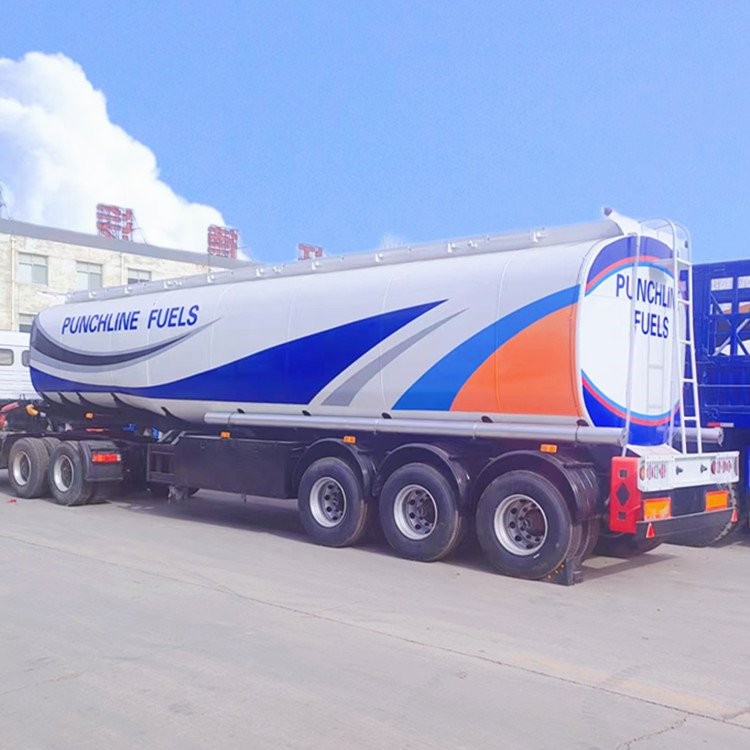
Before we get into the emergency exit options, let's quickly go over what a liquid tanker trailer is. These trailers are basically large containers on wheels, built to carry liquids. They come in different sizes and shapes, depending on what they're meant to transport. For example, we have the 40m3 3Axle Chemical Tanker Truck, which is designed specifically for transporting chemicals. Then there's the 40 Cube Fuel Tank Trailer, perfect for fuel transportation, and the 50ft Gasoline Tanker Trailer, which is great for moving gasoline around.
Why Emergency Exits Matter
Emergency exits are super important in liquid tanker trailers. In case of a fire, explosion, or other emergencies, having a way out quickly can save lives. These trailers often carry hazardous materials, so it's essential that drivers and anyone else on board can get to safety as fast as possible.
Types of Emergency Exits in Liquid Tanker Trailers
Roof Hatches
One of the most common emergency exit options in liquid tanker trailers is the roof hatch. These hatches are usually located on top of the trailer and can be opened from the inside. They provide a quick way out in case the doors at the sides or rear of the trailer are blocked. Roof hatches are designed to be easy to open, even in an emergency situation. However, they do require the person to climb up to the roof, which might be a bit tricky, especially if the trailer is on an incline or if there's a lot of chaos around.
Side and Rear Doors
Most liquid tanker trailers also have side and rear doors. These doors are used for loading and unloading the liquid, but they can also serve as emergency exits. Side doors are usually located on one or both sides of the trailer, while rear doors are at the back. They're designed to be opened easily, and some even have emergency release mechanisms. However, in case of a collision or other damage to the trailer, these doors might get jammed, making it difficult to use them as exits.
Escape Windows
Some liquid tanker trailers are equipped with escape windows. These are small windows that can be broken or opened in an emergency. Escape windows are usually located near the driver's area or other areas where people might be sitting. They provide an alternative exit route, especially if the main doors and hatches are blocked. However, they're usually small, so larger people might have a hard time getting through them.
Factors Affecting Emergency Exit Options
There are several factors that can affect the effectiveness of emergency exit options in liquid tanker trailers.
Trailer Design
The design of the trailer plays a big role in determining the available emergency exit options. For example, some trailers are designed with a single large hatch on the roof, while others might have multiple smaller hatches. The location and size of the side and rear doors also vary depending on the design. A well-designed trailer will have easy-to-reach and easy-to-open emergency exits.
Load Type
The type of liquid being transported can also affect the emergency exit options. For example, if the trailer is carrying a highly flammable liquid, the emergency exits need to be designed in a way that minimizes the risk of fire or explosion. This might mean having special seals on the hatches and doors to prevent the liquid from leaking out and igniting.
Regulatory Requirements
Regulatory requirements also play a role in determining the emergency exit options in liquid tanker trailers. Different countries and regions have different regulations regarding the number, size, and location of emergency exits. As a supplier, we make sure that all our trailers comply with these regulations to ensure the safety of our customers.

Maintaining Emergency Exits
Just having emergency exits isn't enough. They need to be properly maintained to ensure they work when needed. Here are some tips on maintaining emergency exits in liquid tanker trailers:
- Regular Inspections: Conduct regular inspections of all emergency exits to make sure they're in good working condition. Check for any signs of damage, such as cracks or rust.
- Lubrication: Keep all moving parts of the emergency exits lubricated to ensure they open and close smoothly.
- Testing: Periodically test the emergency exits to make sure they can be opened easily. This can be done during routine maintenance checks.
Training for Emergency Situations
In addition to having proper emergency exit options and maintaining them, it's also important to train drivers and other personnel on how to use these exits in an emergency. Here are some key points to cover in the training:
- Location of Exits: Make sure everyone knows where all the emergency exits are located on the trailer.
- How to Open Exits: Teach people how to open the hatches, doors, and windows in an emergency. This might involve demonstrating the proper use of emergency release mechanisms.
- Emergency Procedures: Provide training on the overall emergency procedures, including what to do in case of a fire, explosion, or other emergencies.
Conclusion
Understanding the emergency exit options in liquid tanker trailers is crucial for the safety of everyone involved. As a supplier, we're committed to providing trailers with the best possible emergency exit options and ensuring they comply with all regulatory requirements. If you're in the market for a liquid tanker trailer, don't hesitate to reach out to us to discuss your needs. We can help you choose the right trailer with the appropriate emergency exit options for your specific requirements. Whether you're transporting chemicals, fuel, or other liquids, we've got you covered. So, if you're interested in learning more or making a purchase, feel free to get in touch and start the procurement negotiation process.
References
- International Maritime Dangerous Goods (IMDG) Code
- US Department of Transportation (DOT) regulations
- European Agreement concerning the International Carriage of Dangerous Goods by Road (ADR)


